Posted on

Golf Etiquette: Mastering the Unwritten Rules of the Game

Golf is not just a game of skill; it is also a sport steeped in tradition and etiquette. Understanding the unwritten rules of golf etiquette is crucial for players of all levels, whether you’re a seasoned pro or a beginner. This article will delve into the essential principles of golf etiquette, covering everything from pace of play to proper behavior on the course, ensuring that you not only play well but also contribute to a positive golfing environment. 1. Respect for Fellow Players One of the fundamental aspects of golf etiquette is showing respect for your fellow players. This includes maintaining silence while they are addressing the ball, as distractions can significantly impact their concentration. Additionally, avoid standing directly in their line of sight or moving around while they are taking their shot. Simple acts of courtesy, such as acknowledging good shots and offering encouragement, foster a friendly atmosphere on the course. 2. Keeping Pace of Play Golf is a game that relies heavily on the flow of play. To ensure a smooth experience for everyone, it is essential to keep pace with the group ahead of you. If you find yourself falling behind, consider letting faster groups play through. Being aware of your pace and making necessary adjustments not only enhances your enjoyment but also that of others on the course. 3. Repairing the Course Golfers have a responsibility to maintain the integrity of the course. This includes repairing divots, ball marks on the greens, and bunkers after use. After taking a shot from the fairway, replace any divots and smooth out the sand in bunkers for the next player. These small actions contribute to preserving the course for future players and show respect for the hard work put into its maintenance. 4. Proper Dress Code Golf has a long-standing tradition regarding attire. While specific dress codes may vary by course, it is generally expected to wear collared shirts and tailored shorts or slacks. Avoid wearing denim, t-shirts, or overly casual clothing. Familiarizing yourself with a course’s dress code not only helps you feel comfortable but also shows respect for the establishment and its traditions. 5. Being Mindful of the Environment Golf courses are often beautifully landscaped, and it is vital to respect the natural surroundings. Stay on designated paths when walking between holes to minimize damage to the grass and plants. Additionally, be mindful of litter; always dispose of trash properly and consider bringing any leftover items home with you. Such practices reflect a commitment to environmental stewardship and respect for nature. 6. Understanding Course Etiquette Each golf course may have its own specific set of etiquette guidelines. Familiarize yourself with the local customs and rules, especially if you are playing at a new course. Some courses may have unique traditions, such as specific local rules regarding cart usage or areas that should be treated as out of bounds. Being informed demonstrates respect for the course and fellow players. 7. Respecting the Flagstick The flagstick is an essential part of the game, and proper etiquette regarding its use is crucial. When on the green, be mindful of where the flagstick is positioned. If you are close to the hole, consider removing the flagstick to avoid interference. If you’re far from the hole, it’s polite to allow your playing partners to decide whether to leave it in or take it out. Always ensure the flagstick is placed back in the hole gently to avoid damaging the green. 8. Handling Distractions Golf is a game that requires focus and concentration. To create a conducive environment for all players, it is important to minimize distractions. Avoid loud conversations or sudden movements, especially when others are preparing to take their shots. If you must answer a phone call or engage in conversation, step away from the group to maintain the integrity of the game. 9. Celebrating and Acknowledging Good Shots Golf is as much about camaraderie as it is about competition. Celebrate good shots made by your playing partners, whether it’s a long drive or a well-placed putt. A simple nod, smile, or verbal acknowledgment can enhance the enjoyment of the round for everyone. However, be mindful of how you celebrate; excessive showboating can detract from the experience for others. 10. Dealing with Slow Play If you find yourself behind a slower group, remain patient. Golf can be unpredictable, and everyone has their own pace. However, if you feel the pace is excessively slow, consider approaching the group politely and asking if they would mind letting you play through. A respectful approach ensures that you maintain a positive atmosphere on the course. 11. The Importance of the 19th Hole After a round of golf, the social aspect of the game often continues at the clubhouse or 19th hole. This is a great opportunity to reflect on the day’s play, share experiences, and bond with fellow golfers. Engaging in good conversation and celebrating the round fosters friendships and enhances the overall golfing experience. 12. Teaching New Players Golf etiquette is often learned through experience, and it is important to extend kindness and guidance to new players. If you are playing with beginners, take the time to explain the unwritten rules and help them feel comfortable on the course. This mentorship can make a significant difference in their enjoyment and appreciation for the game. 13. Handling Equipment Responsibly Treat your equipment and that of others with care. Avoid using clubs in a way that could cause damage, and always return borrowed items in good condition. Additionally, be aware of where you place your bags and equipment on the course. Keeping your bag away from play areas ensures that it does not become a distraction or hazard. 14. The Value of Patience Patience is a virtue in golf. Whether waiting for your turn to play or dealing with challenging shots, maintaining a calm demeanor reflects good etiquette. Rushing your shots or displaying frustration can impact your playing partners and the overall atmosphere on the course. Remember that golf is as much about enjoyment as it is about competition. 15. Conclusion Golf etiquette is an essential part of the game that enhances the experience for everyone involved. By understanding and practicing these unwritten rules, golfers can contribute to a respectful and enjoyable environment on the course. From maintaining pace of play to being mindful of fellow players, these principles are vital for fostering a positive golfing community. Whether you’re a seasoned player or just starting, embracing golf etiquette will undoubtedly enhance your love for the game.

Posted on

Exploring the Evolution of Skateboarding Culture

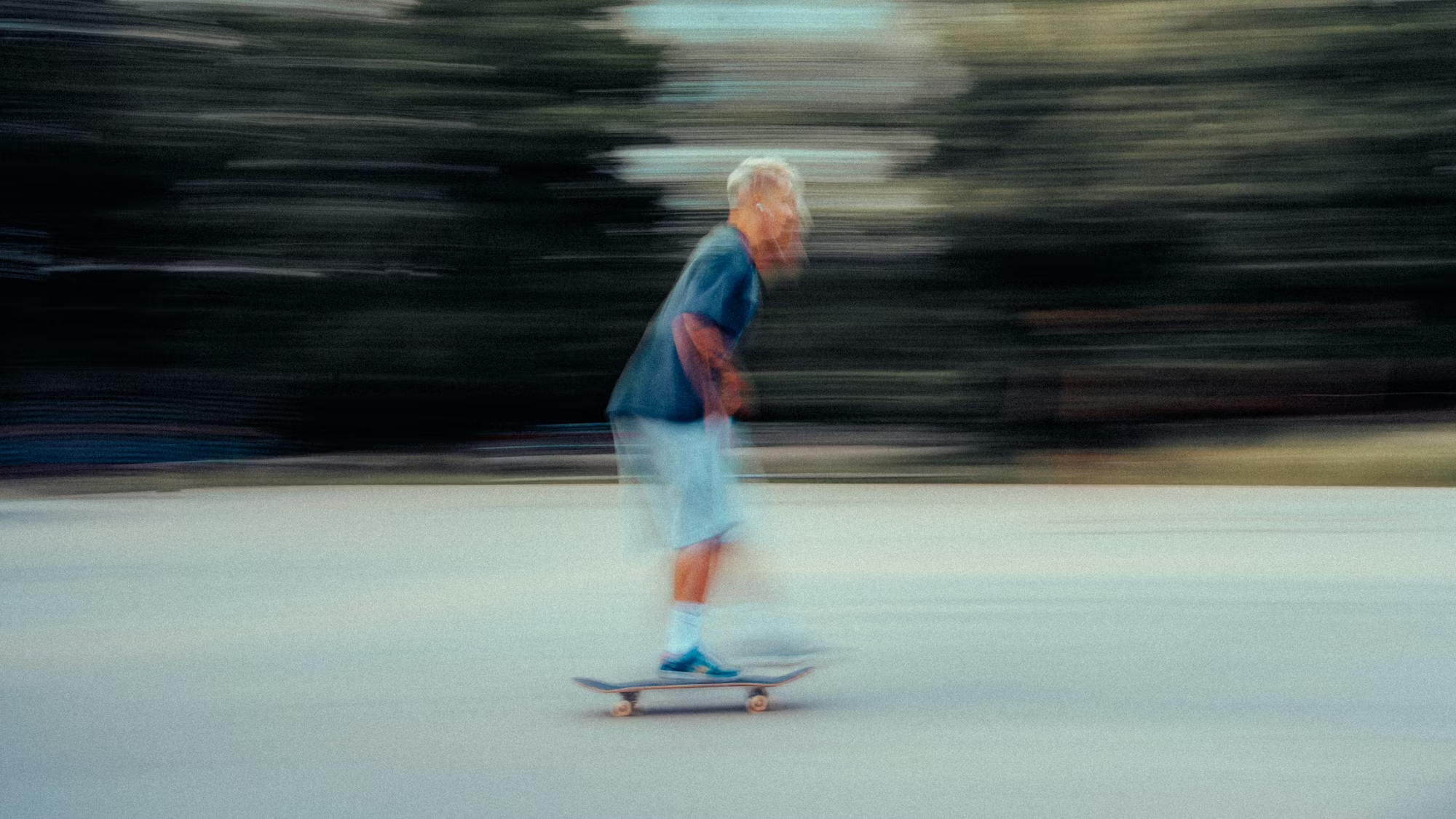
Skateboarding has come a long way since its humble beginnings in the 1950s. What started as a simple pastime for surfers looking to ride the pavement has evolved into a multifaceted sport with a vibrant culture and diverse styles. The evolution of skateboarding reflects changes in technology, society, and artistic expression, making it a fascinating subject for both enthusiasts and newcomers alike. This article explores the history of skateboarding, the different styles that have emerged, and the community that binds skaters together.

The roots of skateboarding can be traced back to California, where surfers began to adapt their surfing skills to land. These early skateboarders, often referred to as “sidewalk surfers,” used wooden boards with roller skate wheels attached, creating a rudimentary form of the sport. As the popularity of skateboarding grew, manufacturers began producing more specialized boards designed for different riding styles. The 1970s marked a pivotal moment in skateboarding history, with the introduction of urethane wheels that provided better grip and smoother rides, revolutionizing the sport.

As skateboarding gained momentum, various styles began to emerge. Street skateboarding, for instance, became a prominent form of expression during the late 1970s and early 1980s. This style emphasizes creativity and adaptability, as skaters utilize urban environments—curbs, stairs, handrails, and other obstacles—as their playground. Street skating not only showcases technical skill but also allows riders to demonstrate their personal style and connection to their surroundings. The culture surrounding street skating fosters a sense of community, as skaters often gather to share tips, tricks, and encouragement, reinforcing the idea that skateboarding is as much about camaraderie as it is about individual prowess.

The rise of skate parks in the 1980s further contributed to the evolution of skateboarding culture. These dedicated spaces provided skaters with an opportunity to practice and hone their skills in a controlled environment. Skate parks often feature ramps, bowls, and various obstacles, allowing riders to experiment with different tricks and techniques. The social aspect of skate parks is undeniable; they serve as hubs where skaters of all ages and backgrounds come together to share their passion for the sport. Competitions held in these parks showcase the incredible talent of skaters while fostering a sense of belonging within the community.

Vert skateboarding emerged as another significant style during the 1980s, characterized by riding in halfpipes and on vertical ramps. This discipline emphasizes aerial tricks and spins, requiring skaters to master the art of height and speed. The thrill of soaring through the air and executing gravity-defying maneuvers attracts a dedicated following, who find joy in pushing their limits. The competitive nature of vert skating has led to the organization of numerous events, where skaters showcase their skills and creativity in front of enthusiastic crowds. These competitions not only highlight individual talent but also serve to unite the skateboarding community in celebration of their shared passion.

Bowl and pool skating represents yet another dimension of skateboarding culture. Originating in the 1970s, this style focuses on carving and riding in large, bowl-shaped structures or empty swimming pools. The fluidity of bowl skating allows riders to connect with the space, creating a rhythmic dance as they navigate the curves and transitions. The artistry involved in bowl skating is captivating, with skaters executing tricks that harmonize with the contours of the bowl. The communal atmosphere in bowl skating often leads to a sense of celebration, as skaters cheer each other on, fostering an environment of support and encouragement.

Freestyle skateboarding, on the other hand, emphasizes technical tricks performed on flat surfaces. This discipline allows skaters to showcase their balance, coordination, and creativity through intricate routines. Tricks can range from simple spins to complex sequences involving footwork and board manipulation. The focus on individuality in freestyle skating encourages skaters to express themselves and develop signature moves that reflect their personalities. Competitions in freestyle skateboarding celebrate this creativity, inviting participants to showcase their personal flair and originality. The supportive atmosphere within the freestyle community nurtures innovation, pushing skaters to refine their techniques and explore new ideas.

Longboarding introduces a different approach to skateboarding, focusing on leisurely rides and transportation rather than tricks. Longboards are designed for cruising and carving, offering stability at higher speeds. This style emphasizes the joy of movement, encouraging riders to connect with their surroundings as they glide through neighborhoods or along scenic routes. The longboarding community thrives on a shared appreciation for the sport, with skaters organizing group rides and events to celebrate their passion for cruising. The sense of freedom experienced while longboarding fosters a deep connection between riders and their environment, making it a beloved aspect of skate culture.

Downhill longboarding presents an exhilarating challenge, as riders navigate steep hills at impressive speeds. This discipline requires skill, awareness, and quick reflexes, as skaters must anticipate changes in terrain and make split-second decisions. The thrill of downhill riding attracts adrenaline seekers, offering an unparalleled rush while testing their abilities. Longboarding events often bring riders together, creating a strong sense of community as they share their experiences and encourage one another to embrace the thrill of speed.

Slalom skateboarding introduces a competitive edge to the sport, focusing on navigating courses filled with cones and obstacles. This discipline emphasizes precision, agility, and quick reflexes, as skaters weave through tightly spaced cones while maintaining speed. Slalom racing showcases technical skills and allows participants to master their boards to execute sharp turns. The excitement of competition fosters camaraderie among participants, with skaters exchanging techniques and strategies to enhance their performance. This sense of community reinforces the idea that skateboarding is not just an individual pursuit but a collective experience shared among enthusiasts.

As skateboarding continues to evolve, off-road or all-terrain skateboarding, often referred to as mountain boarding, offers a unique opportunity to explore the great outdoors. This discipline involves specialized boards with larger wheels, designed to tackle rough terrains like dirt trails and grassy hills. The thrill of off-road skateboarding combines the excitement of riding with the beauty of nature, inviting skaters to embrace new environments and challenges. The community surrounding mountain boarding thrives on shared adventures, with skaters seeking out new trails and pushing their limits while supporting one another in their endeavors.

Crossover styles have also emerged, blending elements from different disciplines and inviting skaters to experiment and innovate. This fusion showcases the versatility of skaters as they adapt their techniques to fit various environments. The blending of street and park elements highlights the creativity inherent in skateboarding, where each rider brings their personal flair to the sport. This innovative approach contributes to the ever-changing landscape of skateboarding, allowing the culture to flourish and grow.

In conclusion, skateboarding is a dynamic and evolving sport that embodies creativity, community, and culture. Each style offers unique opportunities for self-expression and connection, inviting individuals to explore their passions and share their love for the sport. From the streets to the ramps, skateboarding fosters a sense of belonging among participants, creating lasting friendships and memories. As the skateboarding community continues to grow and adapt, the essence of movement, artistry, and camaraderie remains at its core, ensuring that the culture will thrive for generations to come.

Posted on

Exploring the World of Coffee: From Bean to Brew

Coffee is more than just a morning ritual; it is a global phenomenon that unites cultures, sparks conversations, and invigorates the senses. From its rich history to the intricate processes involved in brewing the perfect cup, coffee offers a fascinating journey that many enthusiasts cherish. This article explores the origins of coffee, its cultural significance, and the various methods of preparation, inviting readers to appreciate each sip.

The Origins of Coffee
The story of coffee begins in the ancient coffee forests of Ethiopia, where legend has it that a goat herder named Kaldi discovered the energizing effects of coffee beans. Intrigued by his goats’ exuberance after eating the red berries, Kaldi sampled the fruit himself and experienced a newfound vitality. This discovery led to the spread of coffee cultivation and trade across the Arabian Peninsula.

The Spread of Coffee Culture
By the 15th century, coffee was being cultivated in Yemen, where Sufi monks used it to stay awake during long nights of prayer. Coffeehouses, known as qahveh khaneh, began to emerge in the Middle East, serving as social hubs for intellectual discussions, music, and entertainment. The popularity of coffee soon spread to Europe, with the first coffeehouse opening in Venice in 1645, and quickly became a favorite among artists, writers, and thinkers.

The Coffee Plant
Understanding coffee begins with the coffee plant itself, primarily consisting of two species: Arabica and Robusta. Arabica beans, known for their smooth and complex flavors, account for about 60-70% of the world’s coffee production. They thrive in higher altitudes and require specific growing conditions. Robusta beans, on the other hand, are hardier and grow at lower altitudes, producing a stronger, more bitter flavor. Each type has its unique characteristics, contributing to the diverse coffee landscape.

Growing Conditions
Coffee plants flourish in regions known as the Coffee Belt, which includes countries in Central and South America, Africa, and parts of Asia. Ideal conditions include rich soil, ample rainfall, and moderate temperatures. The cultivation process is labor-intensive, involving planting, pruning, and harvesting, often requiring skilled hands to ensure the quality of the beans.

The Harvesting Process
Harvesting coffee is a meticulous process. Coffee cherries are typically handpicked when they reach peak ripeness, a practice that ensures the best flavor profile. In some regions, mechanical harvesting is employed, but this method can lead to the collection of unripe cherries, affecting the overall quality of the coffee. Once harvested, the cherries undergo processing to extract the beans, which can be done through either the dry or wet method, each imparting distinct flavors to the final product.

Processing Methods
The dry method involves spreading the cherries out in the sun to dry, allowing the natural sugars to concentrate. This method is often used in regions with less water availability and can result in a fruitier flavor. The wet method, on the other hand, involves removing the pulp from the cherries before fermenting the beans, leading to a cleaner taste with more acidity. Both methods require careful attention to detail, as they greatly influence the coffee’s final flavor.

Roasting Coffee
Once the green beans are processed, they are ready for roasting, a crucial step that transforms the beans into the aromatic coffee we know and love. Roasting involves heating the beans at high temperatures, causing chemical reactions that develop their flavors. The roasting process can range from light to dark, with each level producing unique taste profiles.

Light, Medium, and Dark Roasts
Light roasts preserve the original flavors of the coffee, often showcasing bright acidity and fruity notes. Medium roasts strike a balance between acidity and body, providing a well-rounded flavor profile. Dark roasts, characterized by their bold, robust flavors, often have a smoky or bittersweet quality. The choice of roast can significantly affect the brewing method and the final taste of the coffee.

Brewing Methods
Brewing coffee is an art in itself, with various methods available to suit different preferences. Each brewing technique highlights different aspects of the coffee’s flavor, allowing enthusiasts to experiment and discover their ideal cup.

1. Drip Coffee
Drip coffee makers are one of the most common brewing methods, utilizing gravity to extract flavors from the coffee grounds. This method is simple and convenient, making it a favorite for many households.

2. French Press
The French press method involves steeping coarsely ground coffee in hot water before pressing down a plunger to separate the grounds. This technique results in a rich and full-bodied cup, capturing the coffee’s natural oils and flavors.

3. Espresso
Espresso is a concentrated form of coffee brewed by forcing hot water through finely-ground coffee. This method produces a small, potent shot of coffee that serves as the base for many popular drinks, including lattes and cappuccinos. The espresso machine is a staple in coffee shops worldwide, showcasing the skill of baristas who master the brewing process.

4. Pour-Over
Pour-over brewing involves manually pouring hot water over coffee grounds in a filter. This method allows for precise control over the brewing time and temperature, resulting in a clean and flavorful cup. Popular pour-over devices include the Hario V60 and Chemex.

5. Cold Brew
Cold brew coffee is made by steeping coarsely ground coffee in cold water for an extended period, typically 12 to 24 hours. This method results in a smooth, less acidic coffee that can be enjoyed cold, making it a refreshing option, especially in warmer months.

The Cultural Significance of Coffee
Coffee is deeply woven into the fabric of societies around the world, serving as a symbol of hospitality, community, and creativity. In many cultures, sharing coffee is a way to connect and engage with others.

Coffee Rituals Around the World
From the Italian espresso bars to the Turkish coffee ceremonies, each culture has its unique way of celebrating coffee. In Ethiopia, coffee is often prepared in elaborate ceremonies that honor its significance. In Sweden, the tradition of ‘fika’ encourages people to take breaks and enjoy coffee with pastries, fostering social connections. These rituals showcase how coffee transcends mere consumption, becoming a vital part of cultural identity.

The Future of Coffee
As coffee consumption continues to rise globally, sustainability and ethical sourcing have become increasingly important. Consumers are becoming more conscious of the environmental and social impact of their coffee choices, leading to a growing demand for fair trade and organic options.

Sustainable Practices
Many coffee producers are adopting sustainable practices to minimize their environmental footprint. This includes shade-grown coffee, which promotes biodiversity, and initiatives aimed at supporting local communities. By choosing sustainably sourced coffee, consumers can contribute to a more equitable coffee industry while enjoying their favorite beverage.

Conclusion
Coffee is a captivating journey from bean to brew, encompassing rich history, diverse cultures, and intricate preparation methods. Each cup tells a story, inviting drinkers to appreciate the artistry involved in creating it. As coffee enthusiasts continue to explore its depths, the shared experience of savoring this beloved beverage remains a cherished ritual worldwide.

Posted on

Carving the Future: The Rise of Longboarding

Longboarding, a captivating offshoot of traditional skateboarding, has gained immense popularity in recent years, appealing to a diverse range of riders. With its distinctive characteristics and emphasis on smooth rides, longboarding offers a unique blend of style, functionality, and community. This article delves into the various aspects of longboarding, including its techniques, cultural significance, and the factors contributing to its rise as a beloved sport.

At its core, longboarding distinguishes itself from standard skateboarding through its longer decks and larger wheels, which provide a more stable and comfortable ride. Riders often find themselves drawn to longboarding for its accessibility and versatility. Whether cruising down city streets, carving through mountain roads, or commuting to work, longboards accommodate a wide range of activities and preferences. The longboard’s design allows for a smooth and stable ride, making it ideal for beginners and seasoned riders alike.

One of the most appealing aspects of longboarding is the ability to carve. Carving involves using shifts in weight to create smooth, sweeping turns that resemble surfing or snowboarding. This technique not only enhances the rider’s control but also transforms the ride into a graceful dance across the pavement. Longboarders often develop a deep connection with their boards, feeling the rhythm of their movements as they navigate through twists and turns. The joy of carving allows riders to express their individual style, making each ride a unique experience.

Downhill longboarding is another exhilarating discipline that showcases the sport’s thrill-seeking side. This form of longboarding involves riding down steep hills at high speeds, requiring a combination of skill, balance, and control. Riders must master techniques such as sliding and foot braking to maintain stability while navigating sharp turns. The adrenaline rush associated with downhill longboarding attracts many enthusiasts, creating a sense of camaraderie among riders who share a passion for speed and excitement. Events and competitions focused on downhill racing further promote the spirit of competition and community within the longboarding world.

Slalom longboarding adds another layer of complexity to the sport, emphasizing agility and precision. In slalom racing, riders navigate through a series of cones or obstacles, testing their maneuvering skills and reflexes. This discipline requires a keen understanding of weight distribution and board control, as skaters must execute tight turns while maintaining their speed. Slalom competitions encourage riders to showcase their technical abilities, offering a thrilling challenge that highlights the skillful artistry of longboarding.

The culture surrounding longboarding is rich and diverse, marked by a strong sense of community and collaboration. Riders often form tight-knit groups, sharing tips, tricks, and experiences that enhance their skills and deepen their appreciation for the sport. Social media platforms play a vital role in fostering this sense of community, allowing longboarders to connect with one another, share videos, and showcase their rides. The growing visibility of longboarding on platforms like Instagram and YouTube has not only inspired new riders but has also elevated the sport’s profile globally.

Fashion is another integral part of longboarding culture. Riders often express their individuality through their clothing and gear, sporting brands that resonate with their personal style. Longboarding apparel often emphasizes comfort and functionality, allowing riders to move freely while showcasing their unique flair. Helmets, protective gear, and custom longboards have also become fashionable accessories, blending safety with personal expression. This fusion of style and functionality reflects the evolving identity of longboarding as it captures the attention of a wider audience.

Inclusivity has become a significant theme in the longboarding community, as initiatives aimed at encouraging diversity gain momentum. Organizations and events focused on promoting longboarding among women, LGBTQ+ individuals, and underrepresented groups have emerged, creating safe spaces for everyone to participate. Workshops and mentorship programs provide aspiring longboarders with the skills and confidence to engage with the sport, fostering a sense of belonging that transcends barriers. This commitment to inclusivity enriches the longboarding community, ensuring that riders from all backgrounds can enjoy the sport.

The impact of technology on longboarding is evident in various aspects of the sport, from equipment design to the sharing of experiences. Innovations in board materials, shapes, and truck designs have enhanced performance and stability, allowing riders to explore new possibilities. Additionally, advancements in camera technology have made it easier for longboarders to document their rides and share their experiences with a global audience. This digital presence not only showcases individual talents but also promotes a sense of community, connecting riders across distances.

As longboarding continues to grow in popularity, the sport’s influence extends beyond traditional skating communities. Collaborations with artists, musicians, and brands have emerged, creating a vibrant cultural landscape that celebrates the essence of longboarding. Events that combine music, art, and longboarding provide a platform for creative expression and community engagement, inviting riders and non-riders alike to participate in the celebration of this dynamic sport.

In conclusion, longboarding represents a captivating blend of technique, culture, and community. Its focus on carving, downhill racing, and slalom showcases the diverse skill sets that define the sport, while the strong sense of camaraderie fosters connections among riders. As longboarding continues to evolve, it embraces inclusivity and celebrates individuality, inviting riders from all walks of life to share in the joy of gliding across pavement. Whether you’re cruising down a scenic hill or navigating through a slalom course, longboarding offers an exhilarating experience that connects you to the world around you.

Posted on

Mastering the Ocean: Essential Surfing Techniques Every Surfer Should Know

Surfing is a sport that demands both physical strength and mental focus, with each wave offering its own set of challenges. For beginners, the ocean can seem like a vast, unpredictable playground. However, as surfers gain experience, they begin to unlock the secrets of the sea, learning how to read the waves, understand the currents, and master a variety of techniques. Whether you’re a novice just starting out or an experienced rider aiming to take your skills to the next level, understanding key surfing techniques is essential for improving your performance and enjoying your time in the water.

Paddling: The Foundation of Surfing
Before you can ride the waves, you need to paddle out to where the waves break. Paddling is a fundamental skill that forms the basis of every surf session. Proper paddling not only allows you to catch more waves but also helps you conserve energy, which is crucial for long surf sessions.

When paddling, it’s important to maintain a balanced position on your board. Keep your body centered, with your chest slightly lifted off the deck to avoid dragging your legs or nose in the water. The paddle should be long enough to allow you to reach the water comfortably without straining your arms. Paddle with long, smooth strokes rather than short, choppy ones, as this will give you more speed and efficiency. Using your whole arm instead of just your hands will allow you to paddle with greater strength, helping you cover more ground with each stroke.

Positioning: Understanding Where to Be
One of the most important aspects of surfing is knowing where to position yourself on the wave. If you’re too far forward on your board, you’ll risk nose-diving; if you’re too far back, you may struggle to catch the wave. Positioning involves both understanding the wave and understanding your board.

For beginners, it’s important to start by learning to position yourself for smaller waves, gradually moving on to larger ones as you gain confidence. You should always aim to position yourself just ahead of the breaking wave, allowing you to catch the wave at the right moment. Keep your eyes on the wave and adjust your body accordingly. A common mistake many beginners make is paddling for the wave too early or too late, which results in missing the wave entirely.

Catching Waves: Timing and Technique
Catching a wave is the moment every surfer looks forward to. But to do it correctly, you must time your paddle with precision and use the correct technique. When you see a wave approaching, start paddling toward it at the right moment. Begin paddling hard and fast to match the speed of the wave, aiming to be just in front of the breaking section of the wave.

When you feel the wave starting to push you, keep paddling to ensure you’re fully caught in the wave’s energy. At the right moment, pop up by pushing your chest off the board and using your hands to swiftly lift your body into a standing position. It’s essential to perform the pop-up quickly and fluidly, as any delay could cause you to lose the wave or fall off the board.

The Pop-Up: Your Gateway to Riding the Wave
The pop-up is arguably the most essential skill to master as a surfer. It’s the moment when you transition from paddling to standing, and it sets the tone for the rest of your ride. To perform a proper pop-up, start by lying flat on your board with your hands positioned underneath your chest.

As the wave begins to lift you, push your chest up and simultaneously bring your feet underneath you, placing them firmly on the deck of the board. Your back foot should land in the center of the board, while your front foot should be placed towards the front. Keep your knees slightly bent, your arms out for balance, and your eyes focused on the wave. The goal is to create a smooth and controlled transition, avoiding any jerky movements that could throw off your balance.

Turning: Carving Through the Wave
Once you’re standing on your board, the next step is learning how to turn. Turning is one of the most important techniques for progressing as a surfer, as it allows you to ride the wave’s face, make the most of the wave’s energy, and stay in the sweet spot for longer.

There are two main types of turns: frontside and backside. Frontside turns are when you turn toward the wave face, while backside turns are when you turn away from it. To perform a frontside turn, lean into the wave by placing more weight on your front foot and using your back foot to pivot. You’ll want to carve the board in a smooth arc, following the curve of the wave’s face. For a backside turn, the same principles apply, but your body will be turned away from the wave, which may feel less intuitive for many surfers.

In addition to basic carving turns, advanced surfers will also perform vertical turns, where they cut back toward the lip of the wave and drop down again. These maneuvers require timing, power, and a deep understanding of the wave’s behavior, but they can be incredibly rewarding once mastered.

Aerials: Taking Your Surfing to the Next Level
For those looking to push the boundaries of surfing, aerials are the ultimate goal. An aerial involves launching your board off the face of the wave, performing a trick mid-air, and landing back on the wave. While this move is often seen in shortboarding, it requires a high level of skill and control.

The key to performing a successful aerial is speed. You need to generate enough speed on the wave’s face to launch yourself into the air. A good takeoff requires hitting the lip of the wave at the right angle, allowing you to spring off the wave like a ramp. Once airborne, the surfer may perform a variety of aerial tricks, including flips, spins, or grabs. The landing is just as important as the takeoff—surfers must maintain control as they land back on the wave to avoid falling off the board.

Bottom Turns: The Foundation of All Advanced Maneuvers
A bottom turn is a fundamental maneuver in surfing that sets the stage for nearly all other advanced tricks. It is performed when a surfer approaches the bottom of the wave after paddling in and preparing to ride up towards the lip. The bottom turn allows surfers to generate speed and direction, setting them up for the next move.

To perform a bottom turn, start by bending your knees and leaning into the wave. Use your back foot to push the board into the wave and carve a smooth arc. Your front foot will guide the direction of the turn, and your body should be angled toward the lip of the wave. A good bottom turn will help you maintain control, generate speed, and position yourself for a perfect ride.

Understanding Wave Types and Conditions
One of the most critical aspects of surfing is understanding the ocean itself. Different waves and conditions require different approaches, and knowing how to read the waves will help you make the most of each surf session. Waves come in various shapes and sizes, and their behavior can be influenced by factors such as wind direction, tide, and swell size.

For example, point breaks are characterized by waves that break along a specific point, providing long rides with consistent shape. Reef breaks, on the other hand, occur when waves break over a reef, which can create fast, powerful waves. Beach breaks are more common and can be found in many surf destinations, offering waves that break unpredictably across the sandbar.

Surfers must learn how to identify the best waves to ride based on the conditions. By positioning yourself correctly and reading the waves’ movements, you can maximize your chances of catching the perfect ride.

Conclusion: Mastering the Art of Surfing
Mastering surfing is a lifelong pursuit, and the techniques mentioned above are just the starting point. As surfers develop their skills, they learn to adapt to the unique conditions of each wave, and they continually refine their movements to improve their performance. Whether you’re a beginner or an advanced surfer, the key is to remain patient and committed to learning.

Surfing is not just about riding the waves—it’s about connecting with the ocean and pushing your limits. By focusing on your technique, honing your skills, and understanding the waves around you, you can unlock the full potential of this exhilarating sport and enjoy the thrill of surfing for years to come.

Posted on

A Journey Beneath the Waves: The Diverse World of Diving

The ocean, with its vast mysteries and vibrant ecosystems, has always fascinated humanity. Diving, in its many forms, allows us to explore these underwater realms, revealing beauty and adventure beneath the surface. Each diving discipline offers unique experiences that cater to different interests and skill levels, creating opportunities for everyone to connect with the aquatic world. This article delves into the diverse activities within the realm of diving, celebrating the excitement and wonders they bring.

Starting with the most accessible form of underwater exploration, snorkeling invites individuals to glide across the surface of the water, peering into the colorful world below. With just a mask, snorkel, and fins, snorkelers can enjoy the beauty of coral reefs and marine life without the need for extensive training or equipment. This simplicity makes snorkeling an excellent option for families and beginners, providing an enjoyable introduction to the underwater world. Many find themselves enchanted by the sights they encounter, sparking a desire to explore further.

For those looking to deepen their experience, scuba diving offers a more immersive adventure. By using self-contained underwater breathing apparatus, divers can explore deeper and stay submerged longer. This discipline requires training and certification, which teaches essential skills such as buoyancy control, navigation, and safety procedures. The thrill of descending into the ocean, surrounded by schools of fish and stunning coral formations, creates memories that last a lifetime. As divers gain experience, they often seek out new and diverse environments, from bustling reefs to serene wreck sites.

Scuba diving is not only about personal exploration; it also fosters a sense of community. Dive shops and organizations worldwide offer courses for newcomers, guiding them through the basics of diving. As individuals gain confidence and skills, they often join dive groups, sharing their experiences and adventures with fellow enthusiasts. This camaraderie enhances the diving experience, creating lasting friendships and shared memories among those who venture into the underwater world together.

For those who crave even greater challenges, technical diving presents an exciting opportunity to push personal limits. This advanced form of diving requires specialized training and equipment, enabling divers to explore deeper waters and navigate intricate underwater landscapes, such as caves or challenging wrecks. Safety is paramount in technical diving, as divers must master complex skills, including gas management and emergency protocols. The allure of uncovering hidden wonders and navigating the unknown motivates many experienced divers to pursue technical diving, providing an exhilarating and rewarding experience.

Freediving, or apnea diving, is another captivating discipline that emphasizes breath-holding techniques over the use of equipment. Freedivers rely on their ability to hold their breath while exploring the depths, promoting a profound connection to the underwater environment. This discipline encourages relaxation and mental focus, often leading to a meditative experience. Many freedivers find joy in the simplicity of their practice, allowing them to explore underwater without the bulk of scuba gear. Competitive freediving showcases remarkable breath-holding abilities and offers various disciplines that highlight distance and depth achievements, attracting those eager to challenge themselves.

For individuals interested in diving as a profession, commercial diving provides a diverse range of opportunities in industries such as construction, inspection, and marine research. Commercial divers undergo extensive training to develop the necessary skills for their work, which often takes place in demanding environments. Safety protocols are crucial in this field, as divers must navigate complex underwater tasks while ensuring their well-being. For those passionate about the ocean and eager to contribute to its exploration, commercial diving offers a fulfilling career path.

Underwater photography and videography have also gained traction among divers, allowing them to capture stunning images and footage of marine life and breathtaking underwater landscapes. Equipped with specialized cameras designed for underwater use, divers can document their adventures and share the beauty of the ocean with others. This discipline requires both an understanding of photography techniques and an appreciation for the underwater environment. The joy of capturing remarkable moments enhances the diving experience, inspiring divers to explore new locations and advocate for ocean conservation through their imagery.

Cave diving offers a thrilling and adventurous form of diving that takes participants into submerged cave systems. This discipline requires specialized training due to the unique challenges presented by confined spaces and potential hazards. Cave divers encounter breathtaking geological formations and unique ecosystems, making this form of diving both exhilarating and rewarding. The thrill of discovering hidden passages and exploring the mysteries of underwater caves draws many to the challenges of cave diving, providing unforgettable experiences that linger long after the dive.

Ice diving presents another unique opportunity for underwater exploration, allowing divers to venture beneath frozen surfaces. This discipline requires specific skills and equipment to manage the challenges posed by cold temperatures and limited visibility. Ice divers typically work in teams, using ropes and surface support to ensure safety while experiencing the stunning beauty of ice formations. The tranquility and unique landscapes found in frozen waters offer an extraordinary chance to connect with the ocean in a different way, making ice diving a remarkable experience for adventurous divers.

Night diving provides an exciting chance to explore the underwater world after sunset. Equipped with specialized lights, divers can venture into the ocean during nighttime hours, unveiling a hidden realm filled with nocturnal marine life. Many species exhibit different behaviors after dark, making night dives an exciting opportunity for observation and discovery. However, safety remains a priority during night diving; proper preparation and familiarity with the surroundings are essential for ensuring a safe and enjoyable experience. The underwater world transforms at night, offering a unique perspective that many divers cherish.

Reef diving continues to be one of the most cherished forms of diving, drawing individuals eager to explore the vibrant biodiversity of coral reefs. These ecosystems provide an incredible opportunity to observe a wide array of marine life in their natural habitats. The visual spectacle of colorful corals and the myriad of creatures that inhabit these environments create stunning underwater vistas. Many divers develop a strong commitment to advocating for the protection and conservation of these fragile ecosystems, recognizing the importance of preserving them for future generations.

Wreck diving invites divers to connect with history while exploring the remains of sunken ships, aircraft, or artificial reefs. Each wreck tells a unique story, offering insights into the past while providing opportunities for marine life observation and exploration. The thrill of uncovering the mysteries surrounding a wreck can be captivating, as divers discover the ecosystems that have developed around these submerged structures. Proper training and safety measures are essential for wreck diving, ensuring that divers can explore these fascinating sites while managing potential hazards.

In conclusion, the world of diving offers an abundance of opportunities for exploration, adventure, and personal growth. From the tranquil beauty of snorkeling to the exhilarating challenges of technical diving, each discipline provides something unique for enthusiasts and newcomers alike. Diving fosters a deep connection to nature and inspires many to advocate for ocean preservation. Whether you’re a seasoned diver or just beginning your journey, the underwater world awaits, ready to unveil its wonders and secrets, inviting you to explore its depths and share in its beauty.