Posted on

Exploring the World of Snowboarding Styles: A Comprehensive Guide

Snowboarding is a thrilling winter sport that offers a range of styles and techniques to suit different preferences and skill levels. Whether you’re a beginner eager to learn or an experienced rider looking to refine your skills, understanding the various styles of snowboarding can enhance your overall experience. In this comprehensive guide, we’ll explore the different disciplines, their unique characteristics, and the gear you’ll need to excel in each.

1. Freestyle Snowboarding
Freestyle snowboarding is all about creativity, expression, and executing tricks. This style typically takes place in terrain parks, which are equipped with features like jumps, rails, and halfpipes.

Terrain Park Riding
Riders who focus on terrain park riding often perform a variety of tricks, including spins, flips, and grinds. These features are designed to challenge riders and encourage innovation. Freestyle riders usually prefer shorter, more flexible boards that allow for better maneuverability and control.

Halfpipe Riding
Another key component of freestyle snowboarding is halfpipe riding. In this discipline, riders navigate a U-shaped structure, gaining momentum as they ride up and down the walls. The goal is to perform aerial tricks and maintain fluidity throughout the run. Riders in this category often use specialized boards that are designed to excel in halfpipe conditions, emphasizing stability and pop.

2. Freeride and All-Mountain Snowboarding
Freeride and all-mountain snowboarding emphasize versatility, allowing riders to explore varied terrains and conditions.

All-Mountain Riding
All-mountain riders are adaptable, navigating groomed trails, moguls, and natural features. This style is ideal for those who want to experience everything the mountain has to offer. All-mountain boards are typically designed for stability and control across different surfaces, making them a great choice for intermediate riders.

Backcountry Riding
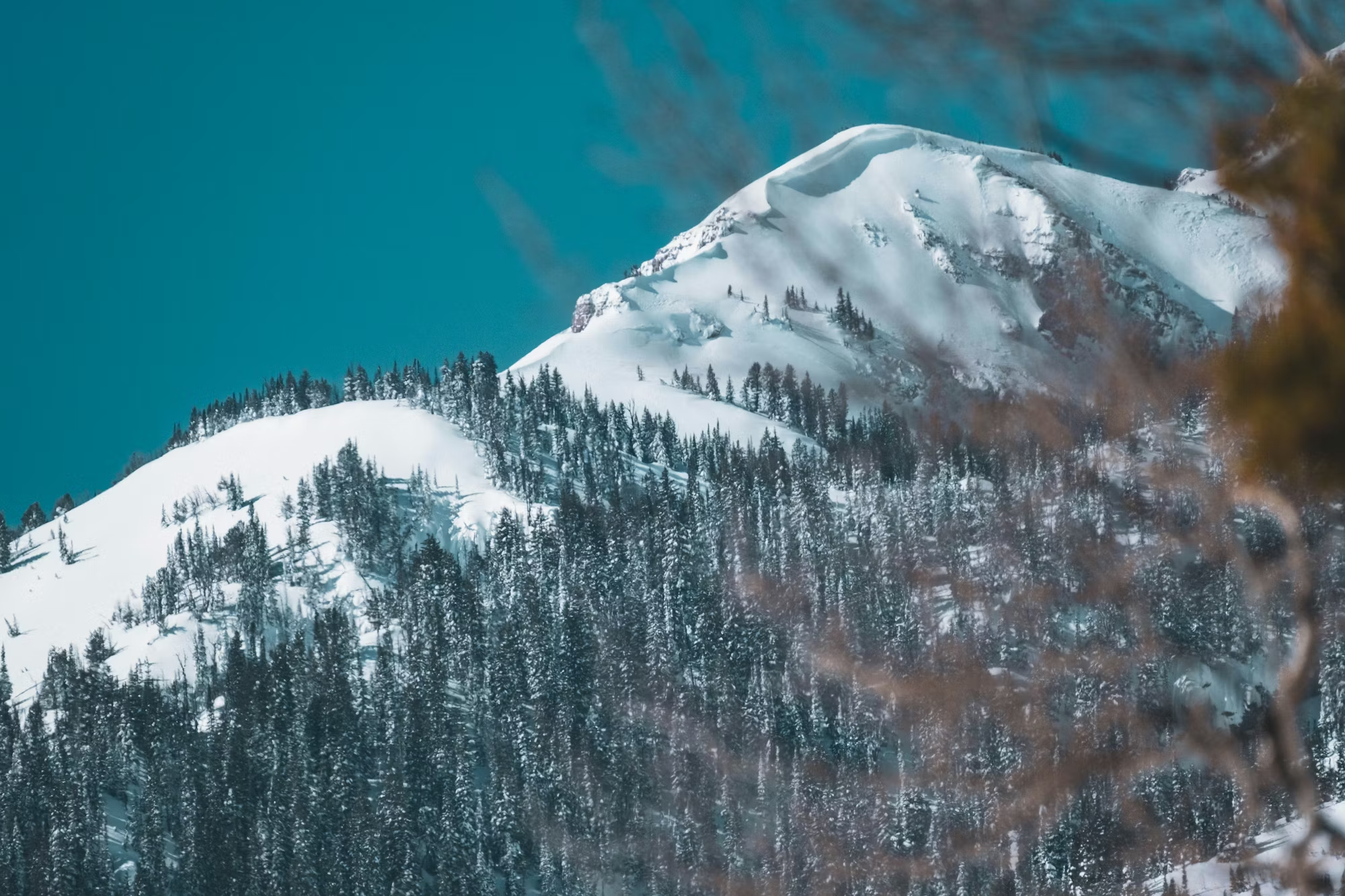
For those who seek adventure beyond the marked trails, backcountry riding is the way to go. This style involves venturing into ungroomed areas, often requiring hiking or splitboarding to access pristine powder and natural features. Riders must be prepared for changing conditions and should carry safety equipment, including avalanche gear and GPS devices.

3. Freeride Snowboarding
Freeride snowboarding focuses on riding steep, challenging terrain, often found in backcountry settings.

Big Mountain Riding
Big mountain riders tackle rugged landscapes, navigating cliffs, chutes, and deep powder. This style requires skill, confidence, and the right equipment to handle extreme conditions. Freeride boards tend to be longer and stiffer, offering stability at high speeds and in variable snow.

4. Alpine and Race Snowboarding
Alpine snowboarding is a more technical discipline that emphasizes precision and speed.

Alpine Racing
Alpine racing involves navigating courses marked by gates and turns. Riders must employ sharp carving techniques and maintain high speeds while maneuvering through the course. This discipline requires specialized gear, including hard boots and carving-specific boards designed for optimal edge control.

Boardercross/Snowboard Cross (SBX)
Boardercross combines elements of racing and freestyle, with multiple riders racing down a course featuring jumps, berms, and obstacles. Riders must strategize their path while maintaining speed and avoiding collisions. This high-energy discipline is perfect for those who thrive in competitive environments.

5. Splitboarding
Splitboarding is a unique discipline that allows riders to access remote areas by transforming their snowboard into two skis for uphill travel. This style is ideal for backcountry enthusiasts seeking untouched terrain. Splitboarders must familiarize themselves with techniques for both climbing and descending, making it a versatile choice for adventurous riders.

6. Adaptive Snowboarding
Adaptive snowboarding provides opportunities for individuals with disabilities to participate in the sport. Adaptive techniques and specialized equipment, such as sit-ski setups or modified boards, allow riders to enjoy the thrill of snowboarding. This inclusive approach emphasizes the importance of accessibility in winter sports, enabling everyone to experience the joy of riding.

Tips for Choosing Your Snowboarding Style
Selecting the right snowboarding style involves considering your skill level, interests, and the type of terrain you wish to explore. Here are some tips to help you make your decision:
1. Assess Your Skills: Determine your current skill level and comfort on the board. Beginners might find all-mountain or freestyle riding more approachable, while advanced riders may gravitate towards freeride or alpine disciplines.
2. Consider Your Interests: Think about what excites you most about snowboarding. If you enjoy performing tricks, freestyle might be the best fit. If you prefer exploring nature, backcountry or freeride may be more appealing.
3. Test Different Gear: Experiment with different boards, boots, and bindings to see what feels best for your chosen style. Many ski resorts offer rental options, allowing you to try out various setups before making a purchase.
4. Seek Guidance: Consider taking lessons from experienced instructors who can provide insights into specific styles and help you develop your skills.

Conclusion
Snowboarding is a multifaceted sport that caters to a wide range of interests and skill levels. By exploring the different styles—from freestyle and freeride to alpine racing and adaptive snowboarding—you can find the perfect fit for your riding preferences. Remember that the key to enjoying your time on the slopes is not just mastering techniques but also having fun and embracing the unique experiences each style offers. So grab your gear, hit the mountain, and discover the thrill of snowboarding!

Posted on

Exploring Golf Course Architecture: The Design Behind the Game

Golf course architecture is a blend of art and science, where creativity meets strategic design to create a playing field that challenges and delights golfers. The influence of course design on the game is profound, shaping not only the difficulty level but also the aesthetic appeal and the player’s experience. Understanding the fundamentals of golf course architecture can enhance appreciation for the sport and inform players about how to navigate different challenges presented by various layouts. One of the primary elements of golf course architecture is the layout of holes. Each hole presents a unique challenge, often designed with various obstacles such as bunkers, water hazards, and trees that require players to think strategically about their shots. A well-designed course balances risk and reward, encouraging players to take calculated risks while offering alternatives for safer plays. For example, a hole with a narrow fairway may tempt players to go for a longer drive, but the risk of ending up in a hazard may encourage a more conservative approach. The topography of the land also plays a significant role in course design. Natural features can be utilized to create dramatic elevations and undulating greens that enhance the visual appeal of a course while adding complexity to the gameplay. Designers often work with the existing landscape, incorporating hills, valleys, and water features to create a harmonious blend between nature and sport. This not only preserves the integrity of the environment but also enhances the challenge for players. Green design is another critical aspect of golf course architecture. The layout and contouring of greens can drastically affect putting strategies. For instance, a green with subtle breaks and tiers can challenge a golfer’s ability to read the surface accurately. Architects aim to create greens that are not only challenging but also fair, allowing for multiple pin placements that can change the dynamics of a round. The positioning of bunkers is equally important; strategically placed sand traps can protect the greens and serve as hazards that influence shot selection. Additionally, the aesthetics of a golf course cannot be overlooked. The visual appeal of a course is a significant factor in attracting players and creating memorable experiences. Thoughtful landscaping, incorporating native plants, and maintaining natural beauty contribute to the overall atmosphere of a course. Courses that embrace their surroundings often leave a lasting impression, making the game more enjoyable for players. Sustainability in golf course architecture is increasingly gaining attention as the sport looks to minimize its environmental impact. Modern architects are incorporating eco-friendly practices, such as using native grasses that require less water and maintaining natural habitats for wildlife. This approach not only conserves resources but also enhances the overall beauty and playability of the course. The challenge of maintaining a golf course is another consideration in its architecture. Designers must account for long-term upkeep, ensuring that the course remains playable and visually appealing throughout the seasons. This includes planning for drainage systems, irrigation, and maintenance schedules that can sustain the course’s health and aesthetics over time. The influence of technology in golf course architecture is also noteworthy. Advances in design software allow architects to create intricate course layouts and simulate gameplay scenarios. This technology enables designers to visualize the impact of their decisions before construction begins, ensuring a well-thought-out course that meets both aesthetic and functional goals. Furthermore, the integration of GPS and mapping technologies aids players in navigating courses more effectively, enhancing their overall experience on the course. The relationship between golf course architecture and player experience cannot be overstated. A well-designed course enhances enjoyment and provides a fulfilling challenge for golfers of all skill levels. The interplay of strategy, aesthetics, and environmental considerations contributes to the overall appeal of the game. Players often reflect on their experiences on particular courses, appreciating the design elements that make each visit unique. In conclusion, the art of golf course architecture is a multifaceted discipline that shapes the way the game is played and experienced. From the strategic layout of holes to the integration of natural features, the design choices made by architects significantly influence both the challenge and beauty of a course. As golf continues to evolve, so too will the practices and principles of course design, ensuring that the game remains engaging and enjoyable for generations to come.

Posted on

Adventures Under the Sea: Discovering the World of Diving

Diving is a gateway to an incredible world filled with vibrant ecosystems and breathtaking landscapes. Whether you are a beginner looking to explore shallow reefs or an experienced diver seeking the thrill of deep-sea adventures, the underwater realm has something for everyone. This article will delve into the various types of diving, each with its unique experiences and challenges, and the skills required to fully enjoy what the ocean has to offer.

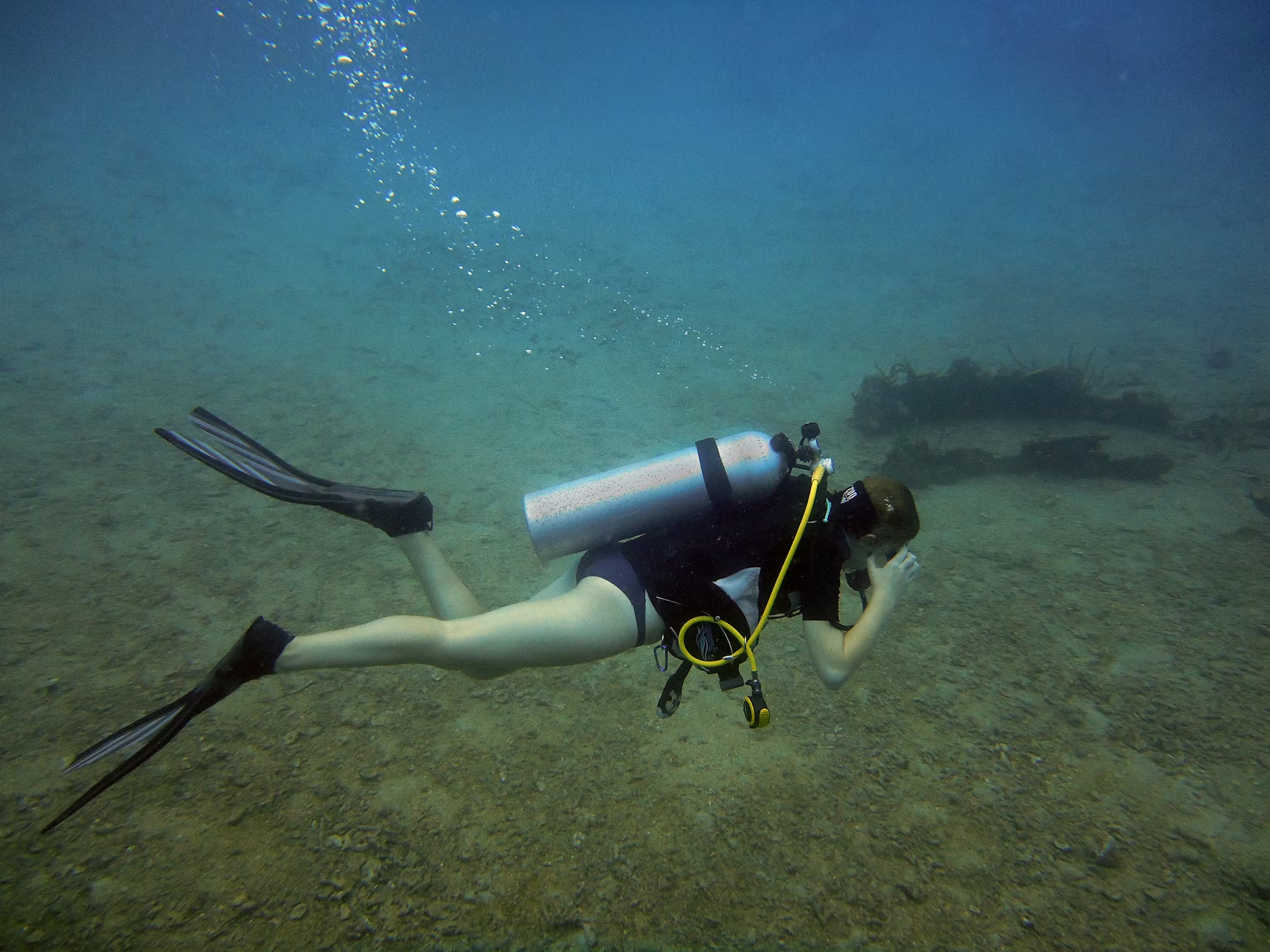
At the forefront of diving experiences is recreational scuba diving, a popular choice for many seeking to explore the ocean’s beauty. Using specialized scuba gear, divers can access depths that reveal colorful marine life, stunning coral reefs, and intriguing underwater topography. Popular destinations like the Caribbean, the Great Barrier Reef, and the Maldives attract divers worldwide, eager to witness the breathtaking sights beneath the waves.

For many, the experience of descending into the ocean is transformative. As divers breathe through their regulators, they enter a realm where gravity seems to fade, replaced by a serene weightlessness. This tranquil environment allows divers to disconnect from everyday life, fostering a deep connection with nature. Recreational diving often begins with training courses that teach essential skills, such as buoyancy control, underwater communication, and recognizing marine life. These foundational skills are crucial for ensuring safety and enhancing the overall diving experience.

As divers progress, they often develop a strong passion for marine conservation. Understanding the impact of human activities on marine ecosystems encourages divers to advocate for sustainable practices and the protection of vulnerable species. This awareness adds depth to their underwater adventures, transforming diving into a meaningful pursuit that goes beyond recreation.

For those who crave deeper and more challenging experiences, technical diving opens a world of opportunities. This advanced form of diving involves specialized training and equipment, enabling divers to explore depths that are not accessible through recreational diving alone. Technical divers often use mixed gases, such as nitrox or helium, to extend their bottom times and reduce the risk of nitrogen narcosis.

One of the most captivating aspects of technical diving is the opportunity to explore submerged caves and shipwrecks. Cave diving requires specialized skills and thorough planning, as divers navigate complex and often dark environments. The stunning geological formations and unique aquatic life found in underwater caves provide an exhilarating experience that few get to witness. Additionally, wreck diving offers a glimpse into history, allowing divers to explore sunken vessels that have become artificial reefs teeming with marine life. Each wreck tells a story, providing insights into the past while showcasing nature’s ability to reclaim these structures.

For those seeking a more leisurely encounter with marine life, snorkeling is an excellent option. Snorkeling allows individuals to glide along the surface of the water with minimal equipment, such as a mask, snorkel, and fins. This activity is perfect for families and beginners, providing a fantastic opportunity to observe the beauty of coral reefs and the diverse species that inhabit them.

Guided snorkeling tours are widely available in popular destinations, offering insights into local ecosystems and encouraging participants to appreciate and protect marine environments. Snorkelers often delight in encounters with colorful fish and vibrant corals, creating lasting memories of their underwater experiences. The accessibility of snorkeling makes it an ideal introduction to the wonders of the ocean, providing a taste of the adventure that diving can offer.

Freediving, also known as apnea diving, presents another exciting way to explore underwater environments. This discipline emphasizes breath-holding techniques, allowing divers to dive without the use of scuba gear. Freedivers learn to control their breathing and relax, enabling them to explore depths on a single breath. This practice fosters a unique connection with the ocean, allowing individuals to experience the serenity of diving in a different way.

Competitive freediving has gained popularity, with athletes engaging in various disciplines, such as static apnea, dynamic apnea, and depth competitions. Each discipline requires mental focus and specific techniques, pushing divers to their limits while fostering a deeper appreciation for the ocean’s beauty. The tranquility and freedom experienced during a freedive can be deeply rewarding, allowing individuals to immerse themselves fully in their underwater surroundings.

On the professional side, commercial diving plays a vital role in various industries, including construction, maintenance, and environmental research. Commercial divers undergo rigorous training to ensure safety while performing tasks underwater, such as inspecting underwater structures or conducting surveys. This type of diving highlights the practical applications of diving skills, demonstrating how underwater expertise contributes to important work in marine environments.

In addition to practical diving applications, underwater photography and videography have gained popularity among divers looking to capture their experiences. Equipped with specialized cameras, divers can document the stunning visuals of marine life and underwater landscapes. This discipline requires both technical photography skills and an understanding of the underwater environment, allowing divers to share the beauty of the ocean with a broader audience.

Through underwater photography, divers can showcase the wonders of marine ecosystems, raising awareness about conservation efforts and the need to protect fragile environments. By capturing breathtaking images, underwater photographers play a critical role in inspiring others to appreciate and preserve the beauty of our oceans.

Ice diving offers a unique experience for adventurous divers, allowing them to explore beneath frozen surfaces. This specialized form of diving requires unique skills and equipment to navigate icy waters while managing reduced visibility. Entering the water through a hole in the ice reveals a serene and untouched underwater world that few get to witness. The beauty of ice diving lies in its isolation and tranquility, making it a remarkable adventure for those willing to brave the cold.

Night diving presents another thrilling opportunity, as many marine species exhibit different behaviors after dark. Equipped with specialized lights, divers can explore the ocean during nighttime hours, encountering glowing corals and bioluminescent creatures. The contrast between darkness above and the illuminated underwater world creates a magical atmosphere, transforming the diving experience into an unforgettable adventure.

Reef diving remains one of the most cherished forms of diving, providing unparalleled opportunities to engage with the rich biodiversity of coral ecosystems. Divers can immerse themselves in vibrant underwater gardens, witnessing the intricate relationships between marine life. The beauty of reef diving lies not only in the stunning visuals but also in the responsibility that comes with protecting these delicate environments from threats like climate change and pollution.

Ultimately, diving is an incredible pursuit that invites individuals to explore the wonders of the ocean. From the tranquility of recreational diving to the excitement of technical dives and the artistry of underwater photography, each experience enhances our understanding of the marine world. As more adventurers embrace the thrill of diving, fostering a culture of respect and conservation becomes essential. The ocean is a vast, beautiful frontier waiting to be discovered, and diving is the key to unlocking its secrets.

Posted on

Exploring Skateboarding: A Journey Through Styles and Community

Skateboarding, a unique blend of sport and art, has evolved significantly since its humble beginnings in the 1950s. What started as a way for surfers to enjoy their sport on land has transformed into a multifaceted cultural phenomenon that captivates millions around the globe. Each style of skateboarding offers its own distinct techniques, challenges, and sense of community, making the sport accessible to a wide range of enthusiasts. In this article, we will explore the various styles of skateboarding, their unique characteristics, and the vibrant communities that support them.

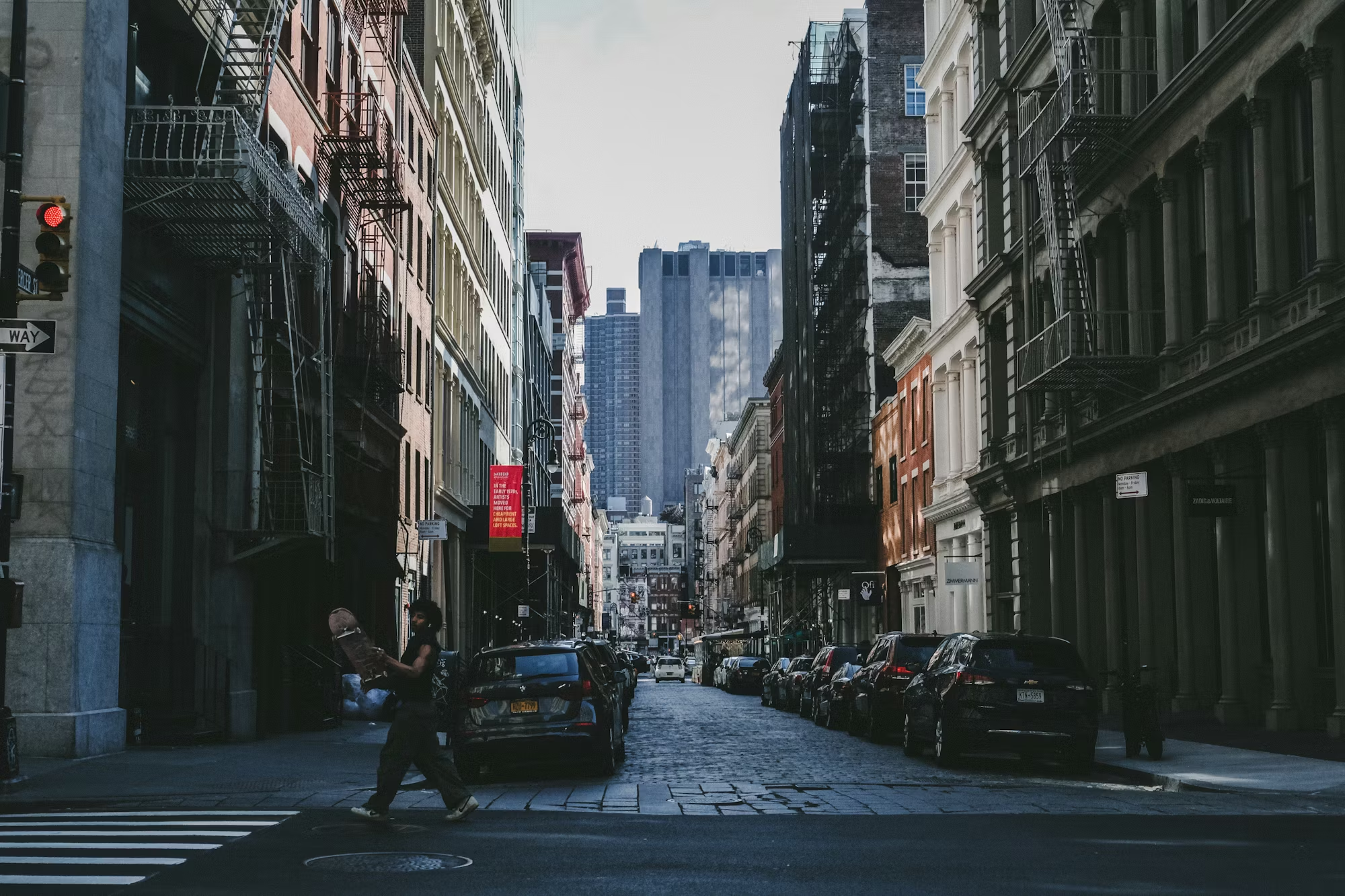
Street skateboarding is often regarded as the foundation of skate culture. It emphasizes creativity and resourcefulness, as skaters use urban landscapes as their playgrounds. Sidewalks, stairs, handrails, and curbs become integral parts of the tricks skaters perform, showcasing their ability to adapt to and transform their surroundings. The heart of street skating lies in its connection to the city, where skaters see potential in everyday objects and utilize them in innovative ways.

Prominent street skaters like Nyjah Huston and Chris Joslin exemplify this creative spirit. Their mastery of technical tricks and ability to navigate complex urban environments have set new standards in the sport. The street skating community is vibrant and supportive, with skaters often coming together to share tips and inspire one another. The culture fosters camaraderie, allowing skaters of all skill levels to learn from each other and celebrate their progress.

Transitioning to vert skating reveals a thrilling side of skateboarding focused on aerial maneuvers and ramps. This discipline requires skaters to launch themselves off the lip of halfpipes or ramps, executing flips, spins, and grabs in mid-air. Vert skating demands a unique combination of speed, balance, and courage, as riders navigate steep transitions and strive for high-flying tricks.

Legends like Tony Hawk and Bob Burnquist have redefined vert skating, pushing the boundaries of what is possible on a skateboard. Their innovative tricks and performances inspire countless skaters worldwide. The vert skating community is tight-knit, with events like the X Games showcasing the talents of these athletes and bringing fans together to celebrate their passion for the sport. The adrenaline rush from soaring above the ramp creates an electrifying atmosphere, further uniting skaters and spectators alike.

Bowl and pool skating introduce another layer of creativity and style to the sport. Skaters ride within large, curved structures or empty swimming pools, focusing on fluid movement and carving. The essence of bowl skating lies in its rhythm; skaters must master the transitions and contours of the surface, creating a seamless flow as they navigate the space.

Skaters such as Lizzie Armanto and Ben Raybourn exemplify the artistry of bowl riding. Their ability to combine technical tricks with graceful movement captivates audiences, highlighting the beauty of the sport. Bowl skating fosters a strong sense of community, as skaters often gather to share experiences, tips, and encouragement. The supportive environment allows for experimentation and growth, helping skaters refine their skills and express their creativity.

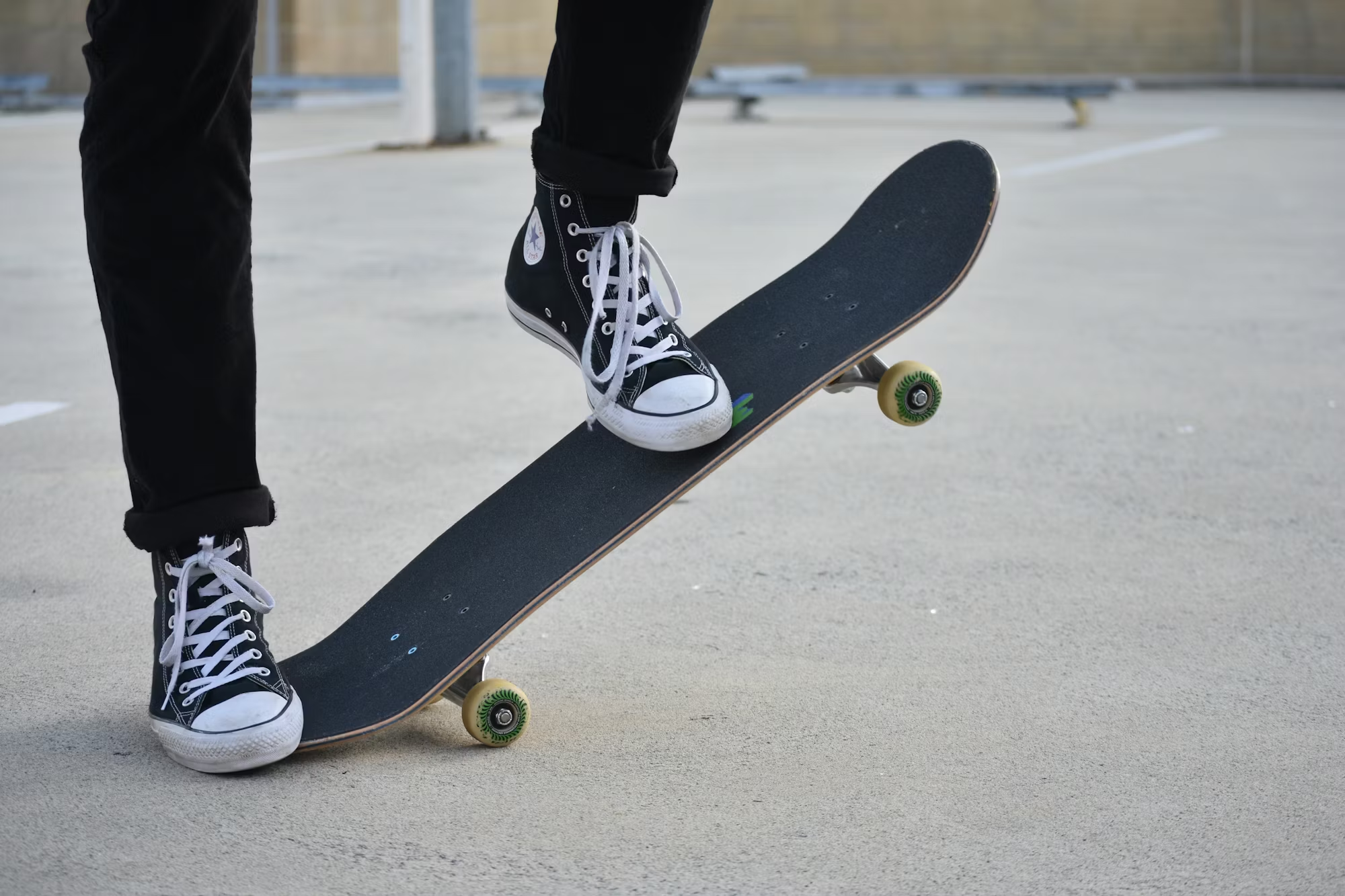
Freestyle skateboarding offers a distinct approach, emphasizing technical tricks and footwork performed on flat surfaces. This style prioritizes balance, precision, and innovation, allowing skaters to showcase their individuality through unique combinations and maneuvers. Freestyle skating is about personal expression, encouraging skaters to develop their own style and approach to tricks.

Pioneers like Rodney Mullen have played a significant role in shaping freestyle skateboarding, inventing numerous tricks that are now fundamental to the sport. Mullen’s influence inspires skaters to think outside the box and explore their creativity. The freedom to experiment and the emphasis on personal style make freestyle skating particularly appealing, promoting individuality within the community.

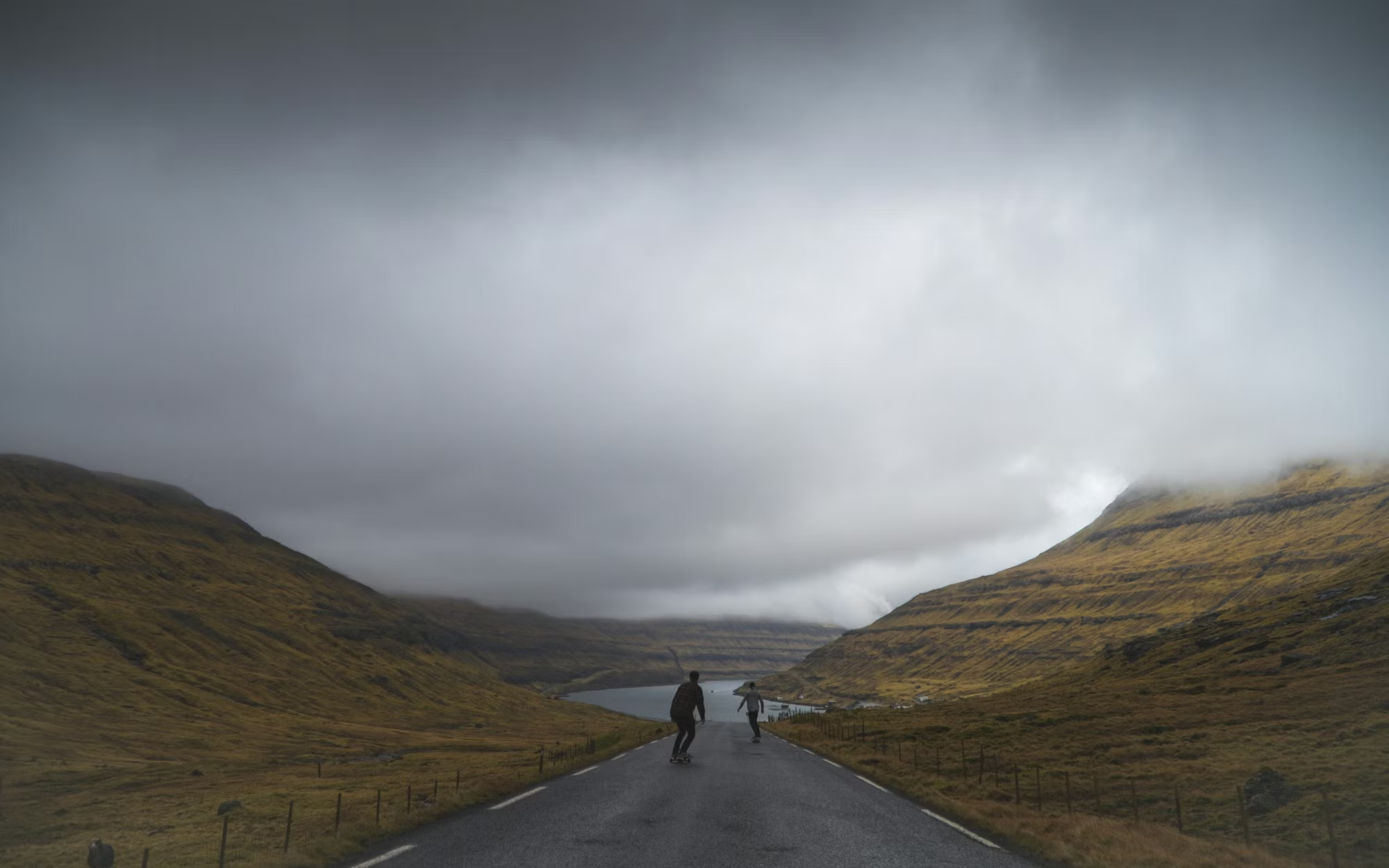
Longboarding takes a different perspective on skating, focusing on cruising and carving rather than high-flying tricks. Longboards, characterized by their extended decks and larger wheels, provide stability and comfort for a smooth ride. This discipline is often about the experience of riding—whether through scenic routes or urban landscapes—allowing skaters to enjoy a more leisurely pace while still feeling the thrill of the ride.

Carving is a central element of longboarding, requiring riders to shift their weight and use the board’s flexibility to navigate curves and hills. Notable longboarders like Amanda Powell and Kyle Wester showcase their skills through stylish movements that emphasize smooth transitions and fluidity. Longboarding attracts those seeking a relaxed experience, offering a different way to enjoy the joy of riding.

In contrast, downhill longboarding focuses on speed, pushing riders to navigate steep hills and high-velocity descents. This exhilarating discipline is perfect for adrenaline seekers, offering the thrill of racing down a hill while maintaining control and balance. Safety is a crucial aspect of downhill riding, with skaters often wearing protective gear and honing their skills to navigate high-speed runs effectively.

Slalom skateboarding adds an element of precision, where skaters navigate courses marked by cones or obstacles. This discipline emphasizes agility and quick reflexes, allowing participants to demonstrate their maneuvering skills. Slalom competitions create a friendly atmosphere, where skaters encourage each other and share techniques to improve their performance.

The community surrounding slalom skateboarding is passionate and welcoming, fostering a sense of belonging among participants. Events often bring riders together, creating opportunities for friendship and collaboration. This discipline encapsulates the spirit of skateboarding, where camaraderie and skill development thrive side by side.

Park skateboarding provides a versatile environment for skaters of all levels, featuring ramps, bowls, rails, and obstacles specifically designed for various styles. Skateparks create a welcoming atmosphere where skaters can hone their skills, share their passion, and celebrate each other’s accomplishments. The community within skateparks is dynamic and supportive, encouraging skaters to push their limits and explore new techniques.

Skateparks often host competitions and events that showcase the talents of skaters from diverse backgrounds. The dynamic nature of park skating promotes innovation, as skaters experiment with different tricks and styles. This fusion of techniques contributes to the overall evolution of skateboarding culture, reinforcing the idea that there are no boundaries within the sport.

For those seeking adventure beyond traditional settings, off-road and all-terrain skateboarding offers a thrilling alternative. Mountain boarding involves riding specialized boards with large tires on rugged terrain, allowing skaters to explore dirt trails, grassy hills, and natural landscapes. This discipline emphasizes adaptability and balance, as riders navigate diverse surfaces while maintaining control.

The connection to nature enhances the experience of off-road skateboarding, attracting outdoor enthusiasts who appreciate the freedom of riding in unique environments. The community surrounding off-road skateboarding is enthusiastic, often organizing group rides and events to share their love for adventure and exploration.

Crossover styles continue to emerge as skateboarding evolves, blending elements from various disciplines to create innovative approaches. Street/Park fusion allows skaters to explore techniques from both street and park styles, resulting in creative tricks and combinations. This blending of styles exemplifies the spirit of skateboarding, encouraging skaters to experiment and redefine their skills.

As skateboarding continues to grow and adapt, the blending of styles and techniques enriches the overall experience for skaters at all levels. The sport invites individuals to embrace their creativity, explore new horizons, and build lasting friendships within a diverse and supportive community. Whether navigating urban landscapes, soaring above ramps, or cruising down scenic paths, skateboarding offers endless possibilities for those willing to ride.

Posted on

Cycling Adventures: Discovering New Horizons on Two Wheels

Cycling is more than just a means of transportation; it’s a gateway to adventure, exploration, and personal growth. Whether navigating through scenic countryside, traversing urban landscapes, or tackling rugged mountain trails, cycling provides unique experiences that inspire and invigorate. This article delves into the various forms of cycling adventures, the benefits they offer, and practical tips for those looking to embark on their own two-wheeled journey.

The Allure of Cycling Adventures

Cycling adventures capture the essence of exploration. The simple act of pedaling allows individuals to discover hidden gems in their surroundings, whether it’s a picturesque trail, a charming village, or breathtaking landscapes. The sense of freedom that comes with riding a bike is unmatched, offering riders the ability to go off the beaten path and create their own routes.

The thrill of cycling adventures can be categorized into different styles, each catering to unique interests and preferences. From leisurely rides through lush parks to exhilarating mountain biking experiences, the possibilities are endless. Let’s explore some popular types of cycling adventures that riders can embrace.

Touring: Exploring the World at Your Own Pace

Bike touring is one of the most fulfilling forms of cycling adventure, allowing riders to cover long distances while immersing themselves in new cultures and landscapes. Whether embarking on a weekend getaway or a multi-week journey, bike touring combines physical challenge with the joy of discovery. Riders often carry their gear on their bikes, making it possible to explore remote areas while enjoying the freedom of the open road.

Some popular bike touring routes, such as the Pacific Coast Highway in California or the Loire Valley in France, offer stunning views and a chance to experience local culture. Planning a bike tour involves mapping out routes, considering overnight accommodations, and packing essentials. The sense of accomplishment that comes from completing a bike tour is immensely rewarding, making it a favorite among cycling enthusiasts.

Mountain Biking: Conquering the Trails

For those seeking adrenaline and adventure, mountain biking provides a thrilling experience. This discipline involves riding on off-road trails, tackling rugged terrain, and navigating natural obstacles. Mountain biking challenges riders both physically and mentally, requiring them to develop skills in balance, coordination, and strategy.

There are various styles of mountain biking, including cross-country, downhill, and enduro, each offering different levels of intensity and technical skill. Trails can range from smooth and flowy to steep and technical, ensuring there’s something for everyone. Riding through forests, along ridges, and down challenging descents creates a sense of exhilaration that is hard to replicate.

Urban Cycling: Discovering Cityscapes

Urban cycling has gained popularity in recent years as cities become more bike-friendly. Riders can explore urban landscapes, visiting parks, landmarks, and local attractions while avoiding traffic and enjoying fresh air. Cycling through city streets allows for a unique perspective, enabling riders to see their surroundings from a different angle.

Many cities offer guided cycling tours, showcasing local history and culture while providing an enjoyable way to meet new people. Urban cycling is also an eco-friendly option for commuting, reducing the carbon footprint and contributing to a more sustainable environment. Whether navigating bike lanes or exploring hidden alleyways, urban cycling is an exciting way to connect with a city.

Tips for Planning Your Cycling Adventure

If you’re ready to embark on your own cycling adventure, here are some tips to help you prepare:

1. Choose the Right Bike: Selecting the appropriate bike is crucial for your adventure. Consider the terrain and distance you’ll be covering. A touring bike is ideal for long-distance rides, while a mountain bike is better suited for rugged trails.

2. Plan Your Route: Research potential routes and destinations ahead of time. Utilize cycling apps and maps to find scenic paths and points of interest along the way. Make sure to account for the difficulty level of each segment to match your skill level.

3. Pack Wisely: Depending on the duration of your adventure, packing smartly is essential. Bring necessary gear, including a repair kit, hydration supplies, snacks, and appropriate clothing for the weather. Keep your load light but ensure you have essentials for comfort and safety.

4. Check Your Equipment: Before heading out, inspect your bike to ensure it’s in good condition. Check the brakes, tires, and gears, and make any necessary adjustments. A well-maintained bike is crucial for a smooth and enjoyable ride.

5. Be Mindful of Safety: Always wear a helmet and follow traffic laws. Consider wearing bright clothing for visibility and using lights or reflectors if riding during low-light conditions.

The Joy of Cycling Community

Another significant aspect of cycling adventures is the sense of community that often accompanies them. Joining local cycling groups or participating in organized events allows riders to connect with others who share similar interests. This sense of camaraderie can enhance the experience, making it more enjoyable and motivating.

Participating in charity rides, cycling festivals, and bike races can also introduce you to new friends and inspire personal growth. Sharing stories, tips, and experiences with fellow cyclists creates lasting bonds and encourages you to push your boundaries.

Conclusion: Your Adventure Awaits

Cycling adventures open up a world of possibilities for exploration, fitness, and personal connection. Whether you choose to embark on a multi-day bike tour, conquer challenging mountain trails, or discover your city’s hidden gems, the benefits are immense. The joy of cycling lies in the journey, the discoveries made along the way, and the experiences shared with others. So grab your bike, set your sights on new horizons, and let the adventure begin—there’s a whole world waiting for you on two wheels.

Posted on

Skateboarding Around the World: A Global Perspective

Skateboarding is more than just a sport; it’s a global phenomenon that transcends geographical and cultural boundaries. Originating in California in the late 1940s and early 1950s, skateboarding has evolved into a diverse and vibrant culture embraced by millions around the world. From the bustling streets of Tokyo to the sunny beaches of Rio de Janeiro, skateboarding reflects the unique identity of each location while fostering a sense of community among riders. In this article, we will explore the global landscape of skateboarding, examining its cultural significance, variations in style, and the communities that thrive around this dynamic sport.

The Roots of Skateboarding

The inception of skateboarding can be traced back to surfers in Southern California looking for a way to practice their moves on land during flat surf days. These early skateboarders fashioned their boards from wooden planks and roller skate wheels, creating a rudimentary vehicle that would evolve over time. As skateboarding gained popularity, it captured the imagination of youth across the globe, sparking a movement that would influence countless cultures.

Skateboarding in the United States

In the United States, skateboarding became synonymous with rebellion and freedom of expression. The 1970s and 1980s saw the rise of legendary skaters like Tony Hawk and Rodney Mullen, who introduced new tricks and techniques that would shape the future of the sport. Skate parks emerged as dedicated spaces for skaters to hone their skills, fostering communities where creativity and individuality flourished.

Street skateboarding, in particular, became a defining aspect of American skate culture. Urban environments transformed into playgrounds for skaters, who utilized stairs, railings, and curbs to perform tricks. This style of skating emphasized creativity, encouraging riders to find innovative ways to interact with their surroundings. The influence of street skateboarding has extended beyond the sport itself, impacting fashion, music, and art, and creating a cultural legacy that resonates today.

Skateboarding in Europe

As skateboarding spread across Europe, it began to take on unique characteristics influenced by local cultures. Countries like the United Kingdom, France, and Germany embraced the sport, with each nation developing its own style and community. European skaters often gravitate towards street spots, utilizing the architecture of their cities to create new challenges and expressions.

In the UK, skateboarding has a rich history rooted in punk rock culture, where DIY ethos and counterculture values align with the sport. Skateparks began to sprout up in the 1980s, providing a space for skaters to practice and compete. The vibrant skate scene in London, for example, has led to a flourishing culture of street skating, with iconic spots like Southbank becoming a symbol of resistance against urban development.

France has also made its mark on skateboarding, particularly in cities like Paris, where skaters embrace a mix of street and park styles. The integration of skateboarding into mainstream culture is evident in events like the Paris Street League, which draws international competitors and showcases the best of the sport.

Skateboarding in Asia

In Asia, skateboarding has experienced explosive growth, particularly in countries like Japan and South Korea. Japan, known for its unique blend of tradition and modernity, has produced some of the world’s most innovative skaters. Tokyo, with its vibrant streets and distinctive architecture, serves as an ideal backdrop for street skating. Japanese skaters often emphasize precision and style, showcasing their skills in both competitions and videos.

The 2020 Tokyo Olympics marked a significant moment for skateboarding, as it made its Olympic debut, further solidifying its global appeal. This event not only spotlighted Japanese skaters but also attracted attention from aspiring riders around the world, inspiring a new generation to pick up a board.

In South Korea, the skateboarding scene has gained momentum, particularly among youth. The government’s investment in skate parks and urban spaces has created opportunities for skaters to practice and compete. Cities like Seoul have become hotbeds for skate culture, with skaters often gathering in popular spots to socialize and share their passion for the sport.

South America: The Passionate Community

South America is home to some of the most passionate skateboarding communities in the world. In Brazil, for instance, skateboarding is more than just a sport; it’s a way of life. The vibrant culture of Rio de Janeiro and São Paulo has fostered a unique skate scene, with riders often showcasing their skills on the streets.

The influence of Brazilian skaters has extended internationally, with figures like Bob Burnquist becoming ambassadors for the sport. The annual X Games in Brazil has further elevated the profile of skateboarding in the region, bringing together top skaters and enthusiasts to celebrate their passion.

The Role of Skateboarding in Community Development

One of the most beautiful aspects of skateboarding is its ability to bring people together. Across the globe, skateboarding has served as a platform for social change and community development. Various organizations have emerged, using skateboarding as a tool to empower youth and foster inclusivity.

In cities like Los Angeles and New York, initiatives have been established to provide skateboarding opportunities for underprivileged youth. These programs not only teach skaters essential skills but also emphasize teamwork, discipline, and self-expression. The impact of these programs can be profound, helping to build confidence and a sense of belonging among participants.

Skateboarding and Environmental Awareness

As skateboarding continues to grow, so does the awareness of environmental issues. Many skaters and organizations are taking action to promote sustainability within the sport. From advocating for eco-friendly skateboards to organizing cleanup events at skate parks, the community is increasingly conscious of its environmental impact.

Initiatives aimed at reducing waste and promoting sustainable practices are gaining traction, encouraging skaters to make more responsible choices. This movement reflects the broader societal shift towards environmental consciousness, demonstrating that skateboarding can be a platform for positive change.

The Future of Skateboarding

The future of skateboarding looks promising, with new generations of riders eager to push boundaries and explore innovative styles. The sport’s inclusion in the Olympic Games has opened doors for international competition and visibility, inspiring young athletes to take up skateboarding.

As skateboarding continues to evolve, its cultural significance remains strong. The sport fosters a sense of community, creativity, and individuality that resonates across borders. With advancements in technology, skateboarding equipment is becoming more accessible, encouraging broader participation and engagement.

In conclusion, skateboarding is a global tapestry woven with diverse cultures, styles, and communities. From its origins in California to its flourishing scenes in Europe, Asia, and South America, skateboarding reflects the spirit of innovation and expression that unites riders around the world. As the sport continues to grow and evolve, it remains a powerful tool for connection and empowerment, inviting everyone to join in the fun and creativity of riding a board. Whether in a bustling city or a quiet neighborhood, the love for skateboarding transcends borders, bringing people together in celebration of movement and freedom.

Posted on

Exploring the World of Skateboarding: Styles, Techniques, and Community

Skateboarding is a dynamic sport that combines physical skill, creativity, and a sense of community. From its origins in the 1940s to its modern-day iterations, skateboarding has evolved into a multifaceted discipline with various styles, each reflecting different techniques and cultural influences. This article explores the diverse styles of skateboarding, the techniques that define them, and the community spirit that binds skaters around the world.

The Origins of Skateboarding

Skateboarding began in California during the late 1940s when surfers sought a way to practice their moves on land. The first skateboards were simple wooden boards with roller skate wheels attached, allowing for a new form of recreation that would soon gain popularity. By the 1960s, skateboarding had taken off, with mass-produced boards entering the market and the establishment of the first skate parks. This marked the beginning of skateboarding as a recognized sport.

The Diversity of Skateboarding Styles

As skateboarding grew in popularity, various styles emerged, each with its own techniques and cultural significance. Some of the most notable styles include:

1. Street Skateboarding: This style utilizes urban environments such as sidewalks, stairs, and handrails. Street skaters perform tricks that emphasize creativity and technical skill, transforming everyday structures into platforms for artistic expression. Pioneers like Mark Gonzales and Natas Kaupas showcased how skaters could push the boundaries of what was possible in urban settings.

2. Vert Skateboarding: In contrast to street skating, vert skateboarding focuses on ramps and halfpipes, where skaters perform aerial tricks. This discipline requires mastering speed and height, as skaters launch themselves into the air to execute spins, flips, and grabs. Legendary skaters like Tony Hawk and Bob Burnquist have popularized vert skating, inspiring countless individuals to take to the ramps.

3. Bowl and Pool Riding: This style emphasizes flowing movements within bowl-shaped structures or empty swimming pools. Skaters carve through transitions, combining speed and rhythm to create a visually stunning display. The experience is often compared to surfing, as riders learn to navigate the curves with fluidity and grace.

4. Freestyle Skateboarding: Freestyle skating focuses on technical flatland tricks performed on smooth surfaces. This style emphasizes balance and precision, with skaters executing intricate maneuvers like the casper slide or handstand. Freestyle skating fosters individual expression, allowing skaters to develop their unique style through creativity and practice.

5. Longboarding: Longboarding provides an alternative approach to skateboarding, focusing on cruising and carving rather than tricks. Longboards are designed for stability and comfort, enabling skaters to enjoy smooth rides along scenic routes. Activities like downhill riding and slalom racing attract those who appreciate the freedom of movement and connection to the environment.

Techniques That Define Skateboarding

Each skateboarding style incorporates specific techniques that require practice and dedication. For instance, street skaters often employ tricks such as ollies, kickflips, and grinds, which demand a keen sense of timing and balance. Mastery of these techniques allows skaters to adapt to various obstacles in urban settings, showcasing their creativity and skill.

In vert skating, skaters must understand the physics of height and speed to perform tricks safely. A solid grasp of aerial maneuvers, such as McTwists and 900s, requires both physical conditioning and mental preparation. Skaters often train diligently to build the strength and confidence needed for high-flying tricks.

Bowl riding techniques emphasize carving and fluidity. Riders learn to shift their weight seamlessly as they navigate transitions, allowing for a graceful flow that captivates audiences. Tricks in bowl skating often blend carving with aerial elements, creating a visually engaging performance that showcases the skater’s artistry.

Freestyle skating is all about precision and balance, with skaters mastering footwork and technical maneuvers. Each trick, from spins to slides, requires a deep understanding of body mechanics and spatial awareness. The beauty of freestyle lies in its emphasis on personal expression, where skaters can innovate and showcase their style.

The Community of Skateboarding

One of the most remarkable aspects of skateboarding is its sense of community. Skaters from all backgrounds come together, united by their love for the sport. Skateparks serve as social hubs where individuals can practice, share tips, and form friendships. The collaborative spirit fosters a supportive environment, encouraging skaters to push their limits and celebrate each other’s successes.

Competitions and events play a significant role in building community spirit. Whether it’s local contests or international showcases like the X Games, these gatherings bring skaters together to demonstrate their skills and cheer each other on. The excitement of watching fellow skaters perform can inspire individuals to try new tricks and challenge themselves in a friendly atmosphere.

Social media has also transformed the skateboarding community, allowing skaters to connect worldwide. Platforms like Instagram and YouTube enable individuals to share their progress, showcase their skills, and engage with others who share their passion. This digital connectivity has enriched the culture, fostering global friendships and collaborations.

The Cultural Impact of Skateboarding

Skateboarding has transcended its origins to become a significant cultural phenomenon. Its influence can be seen in art, music, and fashion, with skate culture shaping trends and inspiring creativity across various mediums. Skateboarding promotes individuality and self-expression, encouraging skaters to embrace their uniqueness and celebrate diversity within the community.

The rise of streetwear fashion, often associated with skate culture, reflects the sport’s impact on popular culture. Many brands have emerged that cater to skaters, blending style with functionality. Skate-inspired art has also gained recognition, with artists drawing inspiration from the sport’s aesthetic and ethos. This fusion of culture and sport continues to evolve, inviting new generations to explore the world of skateboarding.

Conclusion: The Enduring Spirit of Skateboarding

Skateboarding is more than just a sport; it is a vibrant community that thrives on creativity, individuality, and shared passion. From the various styles that define it to the techniques that showcase skill, skateboarding offers an endless journey of exploration and expression. As the culture continues to evolve, the thrill of riding and the connections formed within the community remain a constant, inviting everyone to join in the excitement. Whether you’re a seasoned skater or just starting, skateboarding opens the door to a world where creativity knows no bounds.

Posted on

Exploring Surfing Culture: From Waves to Community

Surfing is more than just a sport; it’s a lifestyle and a culture that transcends geographic boundaries and brings people together. With its roots deeply embedded in the natural world, surfing fosters a unique community that thrives on shared experiences and a mutual love for the ocean. This article delves into the various aspects of surfing culture, examining its diverse styles, the community spirit, and the connection surfers share with the waves.

The Origins of Surfing Culture

Surfing traces its origins back thousands of years, with ancient Polynesian cultures riding waves on wooden boards. The sport has evolved significantly, but the core elements of connection to nature and community remain central to its identity. As surfing spread globally, particularly in the 20th century, it attracted a wide range of enthusiasts, each bringing their own influences and styles to the sport.

In modern times, surfing has become synonymous with a laid-back lifestyle, attracting individuals from all walks of life. Surfers often gather at beaches, forming communities that celebrate not only the act of riding waves but also the shared experiences of friendship, adventure, and environmental stewardship. The ethos of surfing emphasizes respect for the ocean and a commitment to preserving natural spaces, fostering a culture of awareness and responsibility among surfers.

Diverse Styles of Surfing

The rich diversity of surfing styles reflects the various ways individuals interact with the ocean. Each style offers its own unique techniques and experiences, contributing to the vibrant tapestry of surfing culture. Shortboarding, longboarding, big wave surfing, stand-up paddleboarding, and bodyboarding are just a few of the many disciplines that exemplify this diversity.

Shortboarding: The Fast-Paced Thrill

Shortboarding is one of the most popular forms of surfing, characterized by its use of smaller, maneuverable boards. Typically measuring between 5 and 7 feet, these boards enable surfers to perform a range of high-energy tricks and maneuvers. The fast-paced nature of shortboarding attracts those who thrive on adrenaline and excitement.

Surfers engage in various aerial maneuvers, including flips and spins, which require precision, balance, and a deep understanding of wave dynamics. Shortboarding emphasizes competition and innovation, with surfers continuously pushing the boundaries of what is possible on a wave. This spirit of progression fuels a vibrant competitive scene, with events held worldwide that showcase the talent and creativity of shortboarders.

Longboarding: Graceful Riding

In contrast to the energetic nature of shortboarding, longboarding offers a more relaxed and flowing style of surfing. Longboards, typically exceeding 9 feet in length, provide a stable platform that encourages smooth movements and classic maneuvers. Surfers often engage in noseriding and cross-stepping, which highlight the elegance and artistry of the discipline.

Longboarding fosters a sense of tranquility, allowing surfers to connect deeply with the ocean and their surroundings. The slower pace provides opportunities for introspection and appreciation of the natural beauty of the waves and the coastline. This discipline attracts surfers of all ages and skill levels, making it a welcoming entry point for beginners.

Big Wave Surfing: Conquering Giants

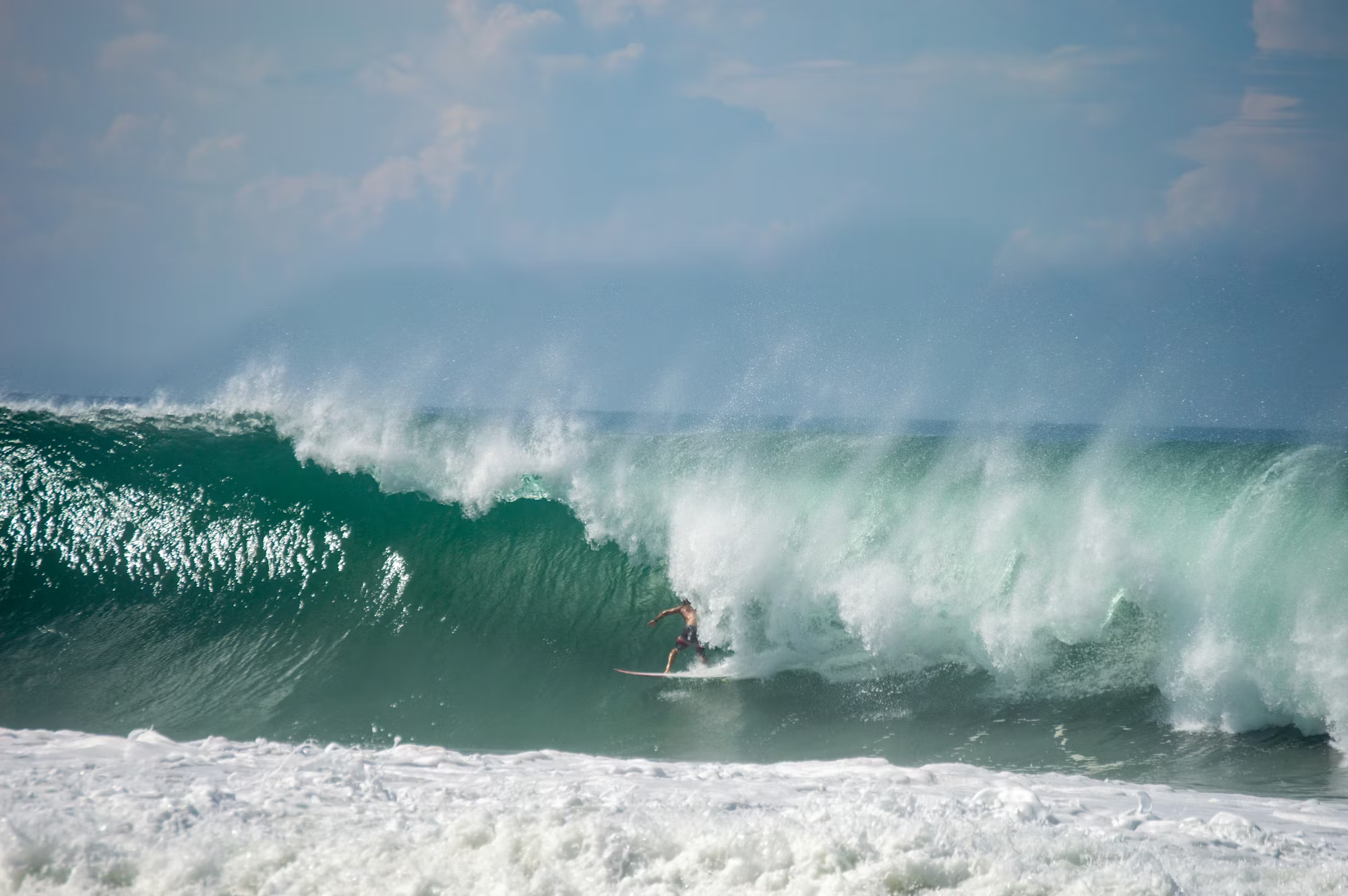
For those seeking the ultimate thrill, big wave surfing presents a unique challenge. Surfers brave some of the largest waves on the planet, often exceeding 20 feet in height. This discipline requires not only skill but also courage, as the power of these waves demands respect and understanding.

Big wave surfers utilize specialized equipment and techniques to tackle these formidable waves. The adrenaline rush of riding such massive swells is unparalleled, drawing in adventurous souls who seek to test their limits. Safety is a crucial aspect of big wave surfing, as surfers often work in teams, relying on each other for support and assistance. The camaraderie among big wave surfers reinforces the sense of community that defines surfing culture.

Stand-Up Paddleboarding: Versatility on Water

Stand-up paddleboarding (SUP) has gained popularity in recent years, offering a versatile and accessible way to enjoy the water. Surfers stand on larger boards and use paddles to navigate through various conditions, including flatwater and waves. SUP can be practiced in numerous environments, from serene lakes to ocean surf, appealing to a wide audience.

The versatility of SUP allows for a range of activities, including fitness workouts, leisurely explorations, and even yoga on the water. The emphasis on balance and core strength makes it an excellent cross-training exercise for traditional surfers, enhancing their skills on the waves. SUP also fosters a sense of community, with many enthusiasts gathering for group paddles, social events, and eco-friendly initiatives to protect waterways.

Bodyboarding: Riding with Style

Bodyboarding presents a unique approach to wave riding, where surfers lie on smaller, rectangular boards. This discipline is characterized by its accessibility and fun nature, making it popular among beginners and experienced surfers alike. Bodyboarders can catch waves closer to the shore and perform a variety of maneuvers, including spins and rolls.

The bodyboarding community celebrates creativity and expression, encouraging riders to explore their individual styles. The smaller board allows for greater agility, enabling bodyboarders to navigate the nuances of wave dynamics with ease. This vibrant community often organizes events and competitions, fostering a spirit of camaraderie and shared passion for riding waves.

The Environmental Ethos of Surfing Culture

A crucial aspect of surfing culture is the deep respect surfers have for the ocean and the environment. Many surfers are advocates for ocean conservation, participating in initiatives aimed at preserving beaches and marine ecosystems. This commitment to environmental stewardship is rooted in the understanding that a healthy ocean is essential for the sport’s sustainability.

Surfers often organize beach clean-ups, participate in awareness campaigns, and support organizations dedicated to ocean conservation. The culture of surfing fosters a sense of responsibility, encouraging individuals to protect the natural world that provides them with joy and adventure. This shared commitment strengthens the bond among surfers and reinforces their connection to the ocean.

The Social Aspect of Surfing

Surfing is inherently a social sport, bringing together individuals from diverse backgrounds and experiences. The beach serves as a communal space where friendships are formed, stories are shared, and memories are created. Surfers often gather in groups, encouraging one another, sharing tips, and celebrating each other’s accomplishments.

Surfing events, competitions, and festivals play a significant role in fostering community spirit. These gatherings provide opportunities for surfers to connect, exchange ideas, and showcase their skills. The atmosphere is often filled with excitement, camaraderie, and mutual respect, creating lasting bonds among participants.

Conclusion: A Culture of Connection

Surfing culture embodies a spirit of connection—to the ocean, to each other, and to the environment. From the diverse styles of surfing that cater to different preferences to the strong community spirit that binds surfers together, the culture of surfing is rich and multifaceted. As surfers continue to ride the waves, they also promote a lifestyle rooted in adventure, respect, and appreciation for the natural world.

Whether you’re an experienced surfer or just starting your journey, the culture surrounding surfing invites you to embrace the beauty of the ocean and the friendships that come with it. The waves await, ready to provide not only thrills and challenges but also a sense of belonging in a vibrant and welcoming community.

Posted on

Diving into Adventure: A Comprehensive Guide to the Many Types of Diving

Diving opens the door to a world that few will ever fully understand—an entire ecosystem that thrives beneath the surface of the ocean, rivers, and lakes. Whether you’re drawn to the serenity of shallow reefs, the thrill of exploring deep shipwrecks, or the challenge of professional underwater work, there’s a diving discipline suited to every interest. In this article, we’ll explore the many different types of diving, offering insights into what makes each style distinct and how to get started on your own underwater journey.

Scuba Diving: The Gateway to Underwater Exploration

For many, scuba diving serves as the entry point into the world of underwater adventure. The word “scuba” stands for Self-Contained Underwater Breathing Apparatus, a system that allows divers to breathe underwater using tanks of compressed air. Scuba diving enables individuals to explore oceans, lakes, and even rivers at depths ranging from just a few meters to more than 40 meters (130 feet).

One of the primary appeals of scuba diving is its accessibility. With the right training and certification, almost anyone can become a diver. Recreational scuba diving is popular in destinations with clear, warm waters and abundant marine life, such as the Great Barrier Reef in Australia, the Galápagos Islands off the coast of Ecuador, and the Red Sea near Egypt. These regions offer some of the most vibrant ecosystems on Earth, teeming with fish, rays, sharks, and even sea turtles.

To begin scuba diving, individuals typically need to take a certification course from a recognized diving organization, such as PADI or SSI. These courses cover the fundamentals of dive theory, equipment use, underwater communication, and emergency procedures. Once certified, divers can start with shallow dives and gradually increase their depth and experience as they grow more comfortable with the underwater environment.

Scuba diving offers a peaceful, immersive experience, where divers can marvel at the beauty of underwater landscapes, explore ancient shipwrecks, or simply float among schools of fish. Many divers choose to explore coral reefs, which support some of the most diverse ecosystems on the planet.

Freediving: Harnessing the Power of Breath

For those who want to dive without the encumbrance of heavy equipment, freediving offers a minimalist and deeply rewarding experience. In freediving, divers rely solely on their breath-holding ability to explore the underwater world. Freedivers use a mask, snorkel, and fins, and sometimes a wetsuit, to increase their mobility and comfort in the water.

Freediving is one of the most natural forms of diving, allowing individuals to move freely and effortlessly beneath the surface. Divers rely on breath-hold diving techniques and must master control over their breath and body to descend to deeper depths. Unlike scuba diving, there is no equipment to support breathing, so freedivers are completely dependent on their lungs and the oxygen they’ve inhaled before diving.

There are different disciplines within freediving, including static apnea, where divers hold their breath while remaining still underwater, and dynamic apnea, where divers swim underwater on a single breath. In both cases, the goal is to push the body’s limits, both mentally and physically. Competitive freediving takes this a step further, with divers diving to great depths or swimming long distances on a single breath. World-class freedivers can descend to depths exceeding 100 meters (330 feet) or swim underwater for more than 200 meters (656 feet) in a single breath.

Freediving requires a unique combination of relaxation, concentration, and breath control. It’s an activity that can be practiced in shallow coastal waters or open ocean, with many divers using freediving to observe marine life up close. The discipline offers an unparalleled sense of freedom, as divers move with ease and minimal impact on the environment.

Technical Diving: Pushing the Limits of Exploration

While recreational scuba diving is accessible to most, technical diving is reserved for those who wish to go deeper, stay underwater longer, or explore more challenging environments, such as caves and wrecks. Technical diving involves specialized equipment, training, and gas mixtures to enable divers to safely explore depths beyond the limits of recreational diving.

Technical diving includes disciplines such as cave diving, wreck diving, and decompression diving. Divers use advanced equipment, such as rebreathers (which recycle exhaled air), multiple gas tanks, and sophisticated dive computers to help manage the complex demands of deep dives. Technical divers also use special gas mixtures, such as nitrox (oxygen-enriched air) and trimix (a blend of oxygen, nitrogen, and helium), to reduce the risks associated with deep dives, such as nitrogen narcosis and oxygen toxicity.

Cave diving is one of the most challenging and dangerous forms of technical diving. Cave systems, often located in remote areas, are flooded with water, and exploring them requires expert knowledge of underwater navigation, gas management, and emergency protocols. The confined, often dark spaces make cave diving particularly risky, so divers must have extensive training and experience before attempting these dives.

Wreck diving is another exciting aspect of technical diving. Shipwrecks, downed aircraft, and sunken military vessels offer a fascinating glimpse into history. These dives typically take place at greater depths and in environments where visibility can be limited. Wrecks often serve as artificial reefs, attracting a variety of marine species, which makes them popular sites for both historical exploration and underwater photography.

Commercial Diving: Diving for Industry and Research

While recreational and technical divers focus on exploration and leisure, commercial diving is a professional field that supports various industries. Commercial divers perform tasks such as underwater construction, ship maintenance, underwater welding, and even scientific research. This type of diving is much more technical and demanding than recreational diving, and it requires rigorous training and specialized equipment.

Commercial divers often work in offshore environments, on construction sites, or in search and recovery operations. They may be involved in inspecting underwater pipelines, conducting marine surveys, or repairing offshore oil rigs. Because commercial diving often takes place in more hazardous conditions, divers use more heavy-duty equipment, such as hard hats, umbilical cords, and diving bells. These devices provide divers with life support, oxygen, and communication capabilities while working at greater depths or in challenging underwater conditions.

The field of commercial diving is diverse, offering a wide range of job opportunities in industries like construction, salvage, marine research, and environmental monitoring. Professional divers may also work on projects related to the maintenance of underwater infrastructure, such as bridges, dams, and oil rigs.

Snorkeling: A Beginner’s Dive into the Ocean

While not strictly considered a form of diving, snorkeling provides a simple, accessible way for individuals to experience the underwater world without the need for specialized training or equipment. In snorkeling, participants use a mask, snorkel, and fins to float on the surface of the water, observing the underwater ecosystem from above.

Snorkeling is ideal for beginners or casual explorers, as it requires minimal equipment and is typically done in shallow waters. Many popular snorkeling destinations, such as the Maldives, Hawaii, and the Caribbean, feature crystal-clear waters and abundant marine life, making them perfect for those looking to observe vibrant fish, coral reefs, and other marine creatures.

Though snorkeling is a low-risk activity, safety remains a priority. Snorkelers should always practice good habits, such as staying close to the shore, using proper equipment, and avoiding strong currents.

Underwater Photography: Capturing the Beauty Below

For divers looking to document their underwater experiences, underwater photography offers the perfect way to preserve memories of their dives. With the right equipment and knowledge, divers can capture stunning images of marine life, coral formations, and underwater landscapes. Modern waterproof cameras, housing units, and lighting systems allow for high-quality images, even in challenging conditions like low light or murky waters.

Underwater photographers often work in professional settings, documenting marine ecosystems for conservation efforts, documentaries, or commercial purposes. Others engage in recreational underwater photography, capturing the beauty of the ocean for personal enjoyment and sharing with friends and the diving community.

Conclusion: Discovering the Wonders of the Underwater World

Diving is a unique way to explore the mysteries of the oceans, rivers, and lakes. From the peaceful, shallow reefs explored in scuba diving to the adrenaline-pumping depths of technical and wreck diving, the underwater world offers something for everyone. Whether you’re an adventurer seeking new experiences or a professional diver working in challenging conditions, diving provides a window into one of the most fascinating and unexplored environments on Earth.

With so many different types of diving to explore, it’s essential to understand the skills, equipment, and training required for each discipline. The underwater world is waiting to be discovered—so take the plunge and start your diving adventure today.

Posted on

Cycling as a Lifestyle: Finding Joy and Freedom on Two Wheels

Cycling has evolved beyond a simple means of transportation; it has become a lifestyle choice for many people around the world. Embracing cycling not only enhances physical health but also fosters social connections and promotes a sustainable way of living. This article delves into the various aspects of cycling as a lifestyle, exploring its benefits, challenges, and the communities that thrive around this beloved activity.

The Physical Benefits of Cycling

At its core, cycling is a fantastic way to stay active and improve physical fitness. Regular cycling helps build cardiovascular endurance, strengthens muscles, and improves flexibility. Unlike many other forms of exercise, cycling is low-impact, making it accessible to individuals of all ages and fitness levels. Whether you’re a seasoned athlete or a casual rider, cycling offers an enjoyable way to maintain and improve your health.

Many cyclists find that riding not only helps with weight management but also boosts their overall mood. The endorphins released during physical activity can significantly reduce stress and anxiety, promoting mental well-being. Riding through scenic landscapes or quiet neighborhoods can offer a peaceful escape from the hustle and bustle of daily life, allowing individuals to connect with nature and unwind.

The Joy of Commuting by Bike

Commuting by bike can transform the mundane task of getting to work or school into an enjoyable experience. Many cities are increasingly investing in cycling infrastructure, making it safer and easier for people to choose bikes over cars. Dedicated bike lanes, bike-sharing programs, and improved parking facilities have all contributed to making cycling a viable option for daily commuting.

The freedom of riding to work comes with several perks. Not only does it reduce the stress associated with traffic jams, but it also offers an opportunity for physical activity as part of the daily routine. Biking to work can save time, especially in congested urban areas where parking can be a challenge. Additionally, it can lead to significant cost savings on gas and parking fees, making cycling an economical choice.

Building Community Through Cycling

One of the most rewarding aspects of cycling is the sense of community it fosters. Cyclists often bond over their shared passion for riding, whether through local clubs, organized events, or casual meetups. Many cities host group rides, charity events, and cycling festivals that bring people together, creating a vibrant community atmosphere.

These gatherings not only celebrate cycling but also encourage inclusivity, welcoming riders of all skill levels. Newcomers often find mentorship and support from experienced cyclists, helping them gain confidence and improve their skills. The camaraderie built during these rides can lead to lasting friendships, making cycling not just an activity, but a social experience.

Exploring New Horizons

Cycling opens up a world of exploration and adventure. Whether it’s discovering new trails in a nearby park or embarking on long-distance bike tours, the possibilities are endless. Many cyclists enjoy planning weekend getaways that revolve around biking, allowing them to explore new areas while enjoying the thrill of riding.

Bike tours offer unique opportunities to experience local culture and landscapes. From vineyards in Tuscany to coastal routes in California, cycling trips provide a different perspective on travel. Riders can stop at charming towns, taste local cuisine, and meet friendly locals, enriching their journey. Each ride becomes an adventure, creating memories that last a lifetime.

The Environmental Impact

Choosing to cycle instead of driving is not only beneficial for personal health but also for the environment. Cycling produces zero emissions, making it a sustainable mode of transportation. In an era where climate change is a pressing concern, embracing cycling can play a vital role in reducing one’s carbon footprint.

Cities that prioritize cycling infrastructure contribute to cleaner air and less traffic congestion. The shift toward cycling can lead to healthier urban environments, improving the quality of life for residents. Many communities are recognizing the need to promote cycling, advocating for policies that support bike-friendly initiatives, such as protected bike lanes and better signage.

Overcoming Challenges

Despite its many benefits, cycling can present challenges that may deter some individuals. Safety concerns are often at the forefront, particularly in urban areas where traffic can be heavy. However, cities are increasingly taking measures to improve cyclist safety through better infrastructure and public awareness campaigns. Cyclists are encouraged to wear helmets, follow traffic laws, and use lights, particularly during low-visibility conditions.

Another challenge is access to bicycles, which can be a barrier for some communities. Initiatives that provide affordable bikes or bike-sharing programs can help ensure that cycling is accessible to everyone. By working to eliminate these barriers, communities can foster a more inclusive cycling culture, allowing all individuals to enjoy the benefits of riding.

The Future of Cycling

As cycling continues to gain popularity, the future looks bright for this beloved activity. Innovations in bike technology, such as electric bikes, are making cycling more accessible to a wider audience. E-bikes allow individuals who may have previously found cycling challenging to enjoy the experience with less physical strain.

Moreover, the rise of smart cycling technologies, including GPS tracking and mobile apps, enhances the cycling experience by helping riders find the best routes and connect with fellow cyclists. These advancements are encouraging more people to adopt cycling as a regular part of their lives, promoting an active and engaged lifestyle.

Conclusion: Embrace the Cycling Lifestyle

Cycling is more than just a means of getting from point A to point B; it’s a lifestyle that offers numerous physical, mental, and social benefits. As communities embrace cycling, they create environments that foster health, connection, and sustainability. Whether you’re commuting to work, exploring new trails, or participating in community events, cycling opens doors to experiences that enrich daily life.

So, whether you’re a long-time cyclist or considering taking your first ride, there’s never been a better time to embrace the cycling lifestyle. Dust off your bike, hit the road, and discover the joy of riding. The journey awaits, filled with adventure, connection, and a sense of freedom that only cycling can provide.